

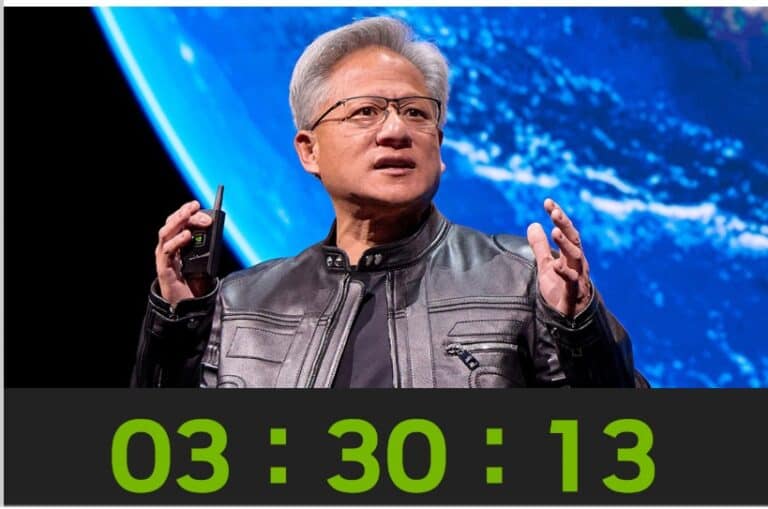
Jensen Huang, chief executive and co-founder of Nvidia, has admitted to an extramarital affair and apologised to employees, shareholders and his family after reports emerged linking the woman involved to alleged Chinese intelligence activities. The disclosure has prompted Nvidia’s board to open an independent investigation into the matter..
In a statement to staff, Huang acknowledged the relationship and accepted responsibility for his actions, describing the affair as a personal failing. The executive said he would cooperate fully with the company’s review and any related inquiries.
The controversy centres on reports involving Alice Huang, a business executive associated with Megaspeed, a Singapore-based data centre operator and customer of Nvidia. According to reports cited by international media, US intelligence officials suspect she may have maintained links to Chinese intelligence networks.
In response, Nvidia announced that an independent committee of directors would investigate whether its chief executive may have been targeted as part of a foreign intelligence operation. The company stressed that, at this stage, there is no evidence that proprietary information, trade secrets or national security-related data were compromised.
The board confirmed that Huang will remain in his position during the investigation, which will be supported by external legal advisers and security specialists.
Read: NVIDIA Revenue Soars As Agentic AI Hit a Turning Point
The case has drawn global attention because of Nvidia’s dominant role in the artificial intelligence industry. The company’s advanced graphics processing units power AI systems used by technology companies, research institutions and cloud computing providers worldwide. Its hardware has become a strategic asset amid growing competition between the United States and China over advanced semiconductor technology.
Reports have also renewed scrutiny of international semiconductor supply chains and existing US export restrictions on advanced AI chips. However, there is currently no public evidence that Huang knowingly engaged in misconduct beyond the admitted affair, nor that confidential company information was transferred to any foreign entity.
Chinese authorities have rejected the allegations. Guo Jiakun, spokesperson for China’s Foreign Ministry, described claims of Chinese intelligence involvement as unsubstantiated and politically motivated.
The development unsettled investors, placing additional pressure on Nvidia’s shares as markets assessed the potential implications for one of the world’s most valuable technology companies. Despite the scrutiny, the board has publicly reaffirmed confidence in Huang’s leadership while the investigation remains ongoing.
For Nigeria’s rapidly expanding artificial intelligence ecosystem, the situation is being closely monitored. Nvidia’s processors remain essential to AI development globally, and any significant disruption involving the company’s leadership could have broader implications for the international AI sector.
As of publication, neither Nvidia nor US authorities have released findings from the investigation. The allegations concerning intelligence links remain under review and have not been proven in court.

Senior AI Writer
Bio: Okikiola is a writer and AI enthusiast with a background in Office Technology and Management. She later pursued an MSc in International Business at De Montfort University (DMU). With extensive experience in administrative and business roles, she now explores how artificial intelligence can transform work, innovation, and everyday life.