

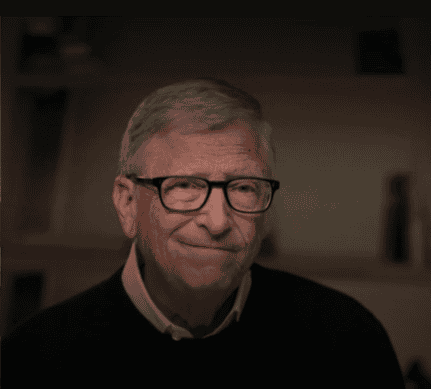
Microsoft co-founder Bill Gates has warned that artificial intelligence could lead to a rise in cyberattacks in 2027, as criminals increasingly exploit powerful AI systems to carry out malicious activities.
Gates said the misuse of AI by individuals and groups seeking to cause harm was a more immediate concern than the possibility of the technology becoming uncontrollable. He made the remarks during an interview with ABC News, highlighting the risks posed by advanced AI tools operating without adequate safeguards.
“The front that we’ll probably see most dramatically in the next year is cyberattacks,” Gates said, warning that the coming year could bring significant developments in the use of AI for malicious purposes.
His comments come amid growing concerns about how rapidly advancing AI technology could change the nature of cybercrime. Although AI can help businesses improve efficiency and strengthen security, the same capabilities could be exploited to identify weaknesses in computer systems, develop sophisticated attacks and target organisations more effectively.
Gates warned that powerful AI models could become particularly dangerous when safeguards designed to prevent misuse are removed or bypassed. He argued that the immediate threat lies in malicious actors gaining access to advanced capabilities without sufficient restrictions on how they can be used.
The potential consequences extend beyond individual computer users. AI-assisted attacks could be used to disrupt financial systems, compromise sensitive information and interfere with businesses and other critical services. The scale of the damage would depend on the capabilities available to attackers and the effectiveness of the security measures protecting their targets.
Gates distinguished these immediate risks from longer-term concerns about AI systems acting independently of human control. While acknowledging that the latter issue requires attention, he said the more pressing danger was people deliberately using the technology to carry out harmful activities.
His warning adds to wider debate among technology experts and security officials about the need to strengthen safeguards as AI systems become more capable and widely available.
Read: Bill Gates-Backed Coalition Aims to Bring AI to 3.4 Billion People
The UK’s National Cyber Security Centre has also warned that AI is likely to make elements of cyber intrusion more effective and efficient by 2027. Its assessment highlights the risk that AI-enabled tools could increase the frequency and impact of attacks, particularly against systems that have not been adequately updated or protected.
The centre has warned that organisations could face growing pressure to keep pace with emerging threats, as attackers use AI to improve existing techniques and identify software vulnerabilities more quickly.
However, AI could also strengthen cyber defences by helping security teams detect suspicious activity, investigate vulnerabilities and respond to incidents more efficiently. The effectiveness of these measures will depend on how organisations deploy the technology and maintain appropriate security controls.
Gates’s comments highlight the importance of ensuring that advances in AI are accompanied by effective safeguards. Technology companies, governments and businesses face increasing pressure to prevent powerful systems from being exploited while preserving their potential benefits.
As AI adoption continues to expand, the challenge will be to limit opportunities for malicious use without undermining legitimate innovation. Gates’s warning suggests that preventing AI-assisted cybercrime will be an increasingly important priority in 2027.

Senior AI Writer
Bio: Okikiola is a writer and AI enthusiast with a background in Office Technology and Management from the Federal Polytechnic Offa. She went further to study an MSc in International Business at De Montfort University (DMU). With extensive work experience across administrative and business roles, she now focuses on exploring how artificial intelligence can transform work, innovation, and everyday life.