

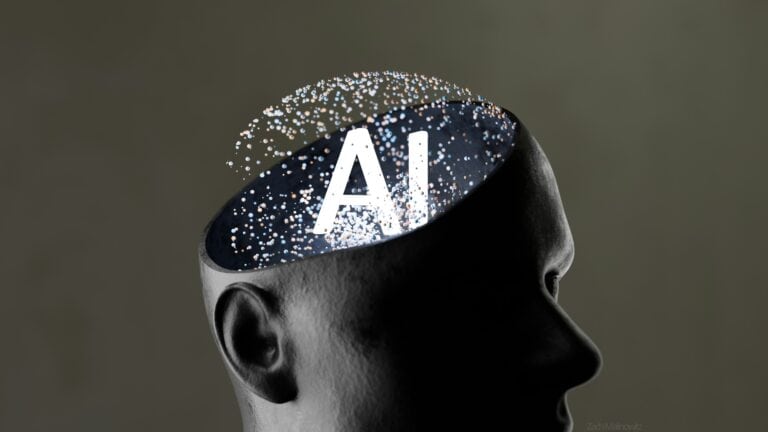
AI has already outperformed humans in specific tasks. These include data processing and strategic games like Go. Yet, it still lacks the emotional depth and creativity inherent in human intelligence.
The question of AI taking over human intelligence is not just technical. It involves philosophical and ethical considerations. Experts are divided on whether AI will ever achieve this feat.
AI’s current capabilities are impressive. However, they are limited by the data and algorithms that drive them. The concept of artificial general intelligence (AGI) remains speculative.
The potential for AI to transform society is immense. AI offers both opportunities and challenges. Balancing technological advancement with ethical considerations is crucial.
AI’s role in our daily lives is growing. From virtual assistants to autonomous vehicles, its presence is undeniable. Understanding its impact is essential for future planning.
This article explores the potential of AI surpassing human intelligence. It examines current capabilities, future possibilities, and societal implications. Join us as we delve into this intriguing topic.
Understanding Human Intelligence vs Artificial Intelligence
Human intelligence is intricate and multi-dimensional. It encompasses emotional depth, creativity, and the ability to comprehend context. These traits differentiate it significantly from artificial intelligence.
AI, on the other hand, relies on computation and algorithms. It excels in processing large volumes of data and recognising patterns. AI’s logic is its primary strength.
However, AI lacks emotional understanding. Human intelligence enables empathy and intuition. These are areas where machines currently fall short.
Key Differences:
- Emotional Depth: Humans possess emotions; AI does not.
- Creativity: Humans innovate and think outside the box. AI performs pre-defined tasks.
- Context Comprehension: Humans understand context. AI processes information literally.

Despite these differences, AI and human intelligence can complement each other. AI’s speed and efficiency benefit tasks unsuitable for human capabilities. However, complex problem-solving often requires human insight.
Understanding these differences is essential. It helps guide how we integrate AI into our lives. Harnessing both types of intelligence has the potential to address global challenges effectively.
By recognising each type’s strengths and limits, we can foster collaboration. This approach can lead to innovative solutions in various sectors. Ultimately, defining how AI and human intelligence coexist is a crucial societal task.
The Current Capabilities of Artificial Intelligence
Artificial Intelligence has made significant strides. In certain tasks, it has already surpassed human abilities. For instance, AI excels in data processing and pattern recognition. These are areas where speed and accuracy are crucial.
AI systems like AlphaGo have demonstrated remarkable skill in strategic games. They have defeated top human champions. This showcases AI’s potential in complex decision-making scenarios. Despite this, AI’s abilities are still task-specific.
AI Capabilities:
- Data Analysis: AI analyses vast data quickly and precisely.
- Pattern Recognition: Superior in identifying patterns humans may overlook.
- Automation: Performs repetitive and structured tasks efficiently.

AI is also transforming industries. In healthcare, AI aids in diagnosing diseases faster than human experts.
In finance, it predicts market trends and optimises trading. These applications highlight AI’s impact on enhancing efficiency.
However, current AI systems lack emotional intelligence. They function within programmed constraints and training data. This limits their adaptability in unstructured environments. Their learning is bound by available information and algorithm design.
AI’s advancement continues to shape our world. As it evolves, understanding its current capabilities is key. This knowledge helps us set realistic expectations and explore collaborative opportunities with human intelligence. Whether enhancing industry processes or optimising daily tasks, AI’s role is expanding.
Where AI Excels: Strengths Over Human Intelligence
AI has distinct advantages in several areas compared to human intelligence. One of the key strengths is its ability to handle large datasets with speed and accuracy. AI systems can process and analyse information far faster than the human brain, leading to quicker insights and decisions in data-rich environments.
Another area where AI excels is in precision. Machines perform tasks with consistency and without fatigue, minimising errors. This is evident in fields like manufacturing, where AI can handle repetitive tasks efficiently and accurately.
Key AI Strengths:
- Speed: Processes large amounts of data in seconds.
- Consistency: Maintains accuracy without human-like errors.
- 24/7 Availability: Functions continuously without breaks or fatigue.
AI’s ability to learn from data sets it apart. Machine learning algorithms enable AI to improve performance over time. As more data is input, AI refines its understanding and enhances its predictions. This continuous learning loop allows AI to adapt and remain relevant in dynamic environments.
Despite these strengths, AI lacks creativity and emotional understanding. While AI can predict and process existing patterns efficiently, it cannot generate novel ideas or demonstrate empathy. These human qualities remain unique and are pivotal in areas like leadership and the creative arts, where emotional depth is irreplaceable.
The Limits of AI: What Machines Still Can’t Do
While AI is powerful, it still faces significant limitations. One major shortcoming is its lack of common sense reasoning. Machines cannot infer context or understand the nuances of everyday situations like humans do.
AI also struggles with emotional intelligence. It cannot genuinely comprehend or respond to human emotions, making it less effective in areas requiring empathy and emotional insight.
Moreover, creativity remains a human stronghold. AI can mimic creative processes to some extent, but it cannot originate truly new concepts or artistic expression without human guidance.
Key Limitations of AI:
- Common Sense: Lacks innate reasoning abilities.
- Emotional Understanding: Cannot empathise like humans.
- Creativity: Struggles to create independently.
Machines also need vast amounts of data to operate effectively, yet the quality of AI’s understanding is only as good as the data it receives. Biased or incomplete datasets can lead to flawed outcomes. In addition, AI does not possess the ability to develop intuition, an area where human experience is invaluable.
The reliance on algorithms further limits AI’s adaptability. Unlike humans, AI cannot easily adjust to unexpected situations outside programmed scenarios. As a result, the flexibility of human intelligence continues to outshine machines in this regard.
The Concept of Artificial General Intelligence (AGI) and Singularity
The concept of Artificial General Intelligence (AGI) fascinates many in the tech community. AGI refers to a machine’s ability to understand, learn, and apply knowledge across a wide range of tasks, similar to human intelligence. Unlike narrow AI, AGI aims to perform any intellectual task a human can do.
The idea of singularity is closely tied to AGI. Singularity suggests a future point where AI surpasses human intelligence, leading to unprecedented technological growth. This concept is both intriguing and controversial.
Main Ideas:
- AGI: AI reaching human-like capabilities across all tasks.
- Singularity: Hypothetical future where AI surpasses human intelligence.
- Implications: Potential for rapid, unpredictable technological changes.
While AGI and singularity capture imaginations, their feasibility remains debated.
No current AI possesses AGI capabilities. Experts remain divided on when or even if the singularity will occur.
Achieving AGI involves overcoming numerous technological challenges. It requires breakthroughs in machine learning, cognitive computing, and algorithms. Even if attainable, the ethical and societal implications of AGI and the singularity demand careful consideration and proactive dialogue.
Human Intelligence: Creativity, Emotion, and Context
Human intelligence is multifaceted, embracing creativity and emotional understanding. These elements set us apart from machines. Creativity allows humans to innovate and solve problems unpredictably, a quality AI struggles to replicate.
Emotions play a crucial role in human communication. They help us empathise and connect with others. AI lacks the ability to truly understand or experience emotions, limiting its interaction depth.
Context is another area where humans excel. We use context to navigate complex social situations and grasp subtle nuances in language. AI, despite vast data access, often fails to understand the full context, leading to errors.
Unique Aspects of Human Intelligence:
- Creativity: Innovating beyond available data.
- Emotion: Experiencing and empathising deeply.
- Contextual Understanding: Grasping nuances and subtleties.

These aspects are challenging for AI to mimic. Machines rely on algorithms and data, lacking the inherent adaptability and insight of the human mind.
Our intelligence combines rational thought with emotional and contextual wisdom, creating a blend that remains uniquely human. This intricate combination presents significant hurdles for AI, particularly in fields where creative and emotional insights are critical.
Collaboration: AI Augmenting Human Intelligence
AI offers powerful tools to complement human intelligence. It performs tasks with speed and precision, enhancing human efforts rather than replacing them. This partnership can drive innovation and efficiency across various sectors.
In healthcare, AI aids in diagnosing diseases by analysing vast medical data quickly. This allows doctors to make informed decisions, improving patient outcomes. Similarly, in finance, AI assists with real-time data analysis, helping investors navigate complex markets.
AI’s computational prowess supports human creativity. Artists and designers use AI to explore new artistic possibilities and generate novel ideas. Despite AI’s technical capabilities, the human element remains vital for creativity and contextual interpretation.
Benefits of Human-AI Collaboration:
- Efficiency: Rapid data analysis and processing.
- Innovation: Exploring new creative landscapes.
Informed Decisions: Enhanced decision-making support.

Collaboration between AI and humans yields remarkable results. It leverages each other’s strengths while mitigating individual weaknesses. As AI technology evolves, finding balanced integration will be essential, ensuring these collaborations remain beneficial and harmonious for society.
Ethical and Societal Implications of AI Surpassing Human Intelligence
The rapid growth of artificial intelligence prompts ethical questions. If AI surpasses human intelligence, the societal impact could be profound. Concerns about control, privacy, and fairness arise as we integrate AI into more aspects of life.
AI systems may make significant decisions autonomously, affecting everything from jobs to legal matters. There is a risk that AI might act unpredictably or in ways not aligned with human values. This raises questions about accountability and decision-making transparency.
AI’s potential to displace jobs adds complexity. As machines take on tasks once done by humans, workers may face unemployment. This necessitates policies to ensure fair transitions and new employment opportunities.
Furthermore, AI could exacerbate existing inequalities. Access to advanced technology often favours wealthy nations and individuals, potentially widening socio-economic gaps. Fair distribution of AI’s benefits is crucial for societal balance.
Key Ethical and Societal Considerations:
- Privacy: AI’s data collection methods.
- Fairness: Bias in AI algorithms.
- Accountability: Decision-making transparency.
In addressing these issues, interdisciplinary dialogue is key. Policymakers, technologists, and the public must collaborate to create ethical frameworks. Thoughtful planning will help us navigate AI’s advancement responsibly, focusing on equity and societal wellbeing.
- Read Also: What is Physical AI?
The Future of Work, Education, and Daily Life with AI
As AI continues to evolve, its impact on work is inevitable. Many traditional jobs may disappear, while new jobs requiring AI skills will arise. Adaptability will be crucial for the workforce to thrive in this changing environment.
In education, AI offers personalised learning experiences. Intelligent tutoring systems can tailor lessons to individual needs, enhancing student engagement. AI might also help teachers by automating administrative tasks, allowing them to focus on instruction.
Daily life is becoming increasingly infused with AI. From smart homes adjusting to our routines to AI-powered health monitors, these innovations promise convenience and efficiency. AI could significantly improve quality of life, though it’s vital to address privacy concerns.
AI’s Influence on Different Sectors:
- Work: Automation and new skill requirements.
- Education: Personalised learning tools.
- Daily Life: Smart devices and health monitoring.
by Zach M (https://unsplash.com/@zachmmalin)
Each sector faces unique challenges and opportunities as AI integration deepens. By embracing these changes with proactive strategies, society can harness AI’s potential to improve work, education, and daily activities, paving the way for a more innovative future.
Can AI Truly Take Over Human Intelligence? Expert Opinions and Ongoing Debates
The question of whether AI will surpass human intelligence is highly contentious. Many experts believe that AI will continue to enhance human capabilities rather than replace them. However, some argue that the rapid pace of AI advancement could lead to unforeseen changes.
Experts like Elon Musk and Stephen Hawking have warned about the potential dangers of AI.
They suggest we approach its development with caution. On the other hand, scholars like Ray Kurzweil are optimistic about AI, predicting it will lead to unprecedented growth and advancements.
The debates are not limited to technical feasibility but also include philosophical and ethical questions. Can machines ever truly possess consciousness or emotions? Will AI lack the essential human qualities that define intelligence?
Varied Perspectives from AI Experts:
- Cautious Optimists: Emphasise collaborative potential.
- Sceptics: Highlight risks of uncontrolled development.
- Pragmatists: Focus on existing limitations and opportunities.
The conversation continues as AI evolves, inviting diverse viewpoints. Balancing optimism with realism is crucial for navigating the complexities of AI’s future with human intelligence.
Conclusion: The Road Ahead for AI and Humanity
The journey of AI and humanity is just beginning. As AI grows, it offers both challenges and opportunities. It invites us to rethink intelligence and its impact on society.
Balancing innovation with ethical considerations is essential. Thoughtful regulation and collaboration across fields can guide AI’s development for the betterment of all.
Ultimately, the relationship between AI and human intelligence will shape our future. By embracing both potential and limitations, we can navigate this evolving landscape with wisdom and care.

Bio: An (HND, BA, MBA, MSc) is a tech-savvy digital marketing professional, writing on artificial intelligence, digital tools, and emerging technologies. He holds an HND in Marketing, is a Chartered Marketer, earned an MBA in Marketing Management from LAUTECH, a BA in Marketing Management and Web Technologies from York St John University, and an MSc in Social Business and Marketing Management from the University of Salford, Manchester.
He has professional experience across sales, hospitality, healthcare, digital marketing, and business development, and has worked with Sheraton Hotels, A24 Group, and Kendal Nutricare. A skilled editor and web designer, He focuses on simplifying complex technologies and highlighting AI-driven opportunities for businesses and professionals.
LinkedIn