

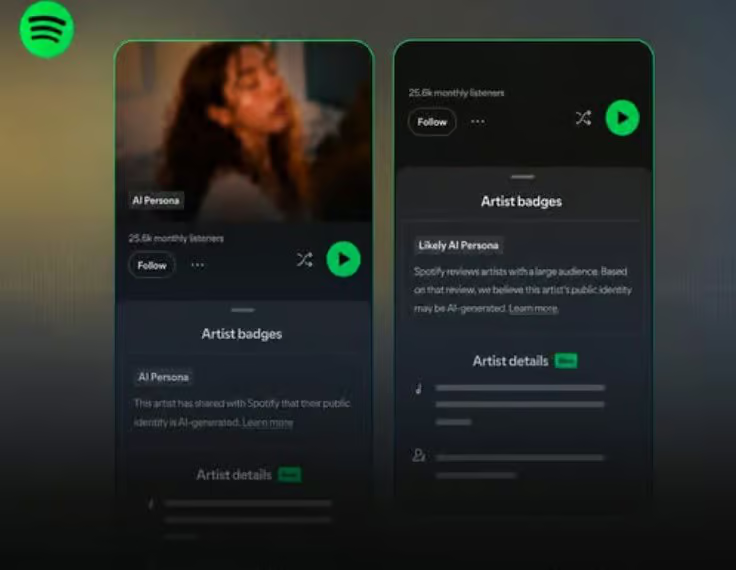
Spotify’s decision to label AI-generated artist identities and exclude them from algorithmic recommendations marks one of the clearest signals yet that major streaming platforms are drawing boundaries around artificial intelligence in music.
While some describe the policy as a crackdown on AI music, the reality is more nuanced. Spotify is not targeting musicians who use AI in their creative process; it is targeting artist identities that are entirely AI-generated and presented as if they were real people.
For Nigerian artists, producers, and music entrepreneurs experimenting with AI tools, the distinction matters. The policy may not restrict the use of AI in songwriting, production, mastering, or content creation, but it does signal a broader shift in how platforms, audiences, and the music industry view authenticity in the age of generative AI.
So, What are Spotify’s New Rules
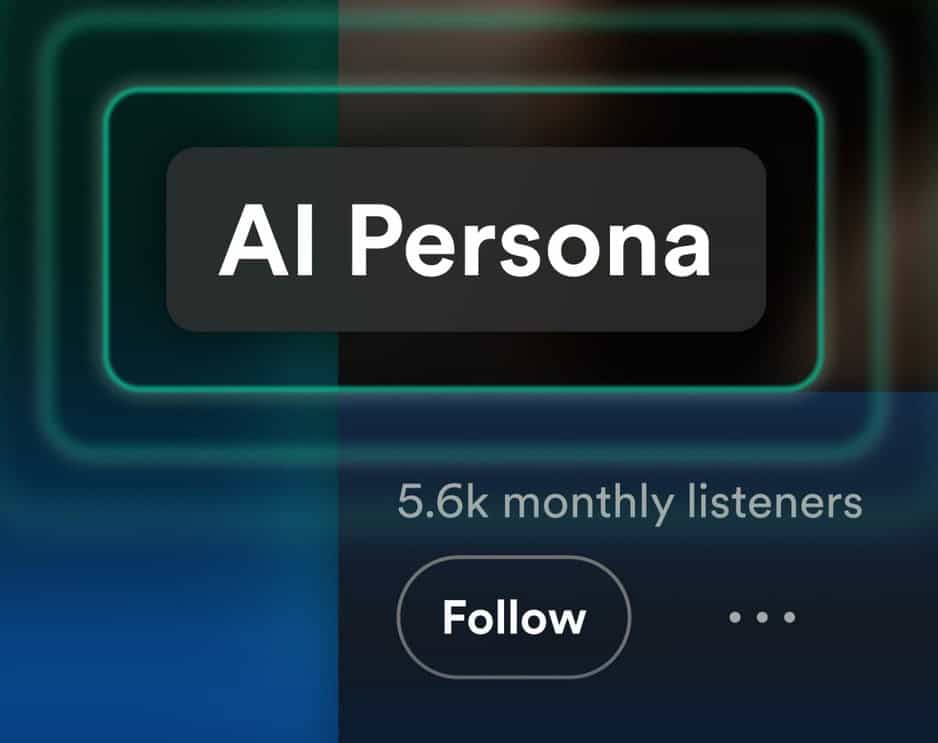
Under Spotify’s new framework, artist profiles identified as “AI Personas” will receive a visible label indicating that the artist’s public identity is AI-generated. These profiles will not be included in Spotify’s editorial playlists or algorithmic recommendation systems by default, significantly reducing their ability to gain organic exposure through the platform.
Importantly, Spotify has repeatedly clarified that the label is not about how music is made. An artist can use AI-powered production tools, AI-assisted songwriting software, or generative audio technologies without being classified as an AI Persona. The designation applies specifically to artists whose public identities, including images, names, and visual branding, are entirely AI-generated.
This distinction reflects a growing concern among streaming platforms that listeners want transparency about who they are listening to, particularly as AI-generated personalities become increasingly sophisticated.
Why Nigerian Artists Should Pay Attention
Nigeria’s music industry has become one of Africa’s most influential creative sectors, driven largely by the global rise of Afrobeats. At the same time, Nigerian creators have been among the earliest adopters of emerging digital tools, including AI-powered production platforms, voice-generation software, and content-creation tools.
For independent artists working with limited budgets, AI offers tangible benefits. It can reduce production costs, accelerate creative workflows, assist with songwriting, generate demo vocals, and support marketing efforts. These efficiencies are particularly valuable in a market where access to high-end studios and production resources remains uneven.
Spotify’s policy does not threaten those use cases. In fact, the company’s broader AI transparency initiatives suggest that it expects AI to remain part of modern music creation. Spotify has introduced features that allow artists to disclose how AI was used during the creative process, indicating that the platform recognises AI as a legitimate production tool when used transparently.
The message appears clear: AI can support creativity, but platforms increasingly want listeners to know whether they are engaging with a real artist or a synthetic identity.
The Bigger Question: Authenticity as a Competitive Advantage
The policy may ultimately benefit Nigerian musicians more than it harms them.
One of the biggest concerns surrounding generative AI is the possibility of an overwhelming flood of low-cost, mass-produced content. Streaming platforms already struggle with spam uploads and synthetic music generated at scale. Spotify has acknowledged removing millions of problematic tracks as it attempts to maintain the quality of its ecosystem.
For Nigerian artists building long-term careers, authenticity may become an increasingly valuable asset.
Afrobeats’ global success has been driven not only by sound but by storytelling, culture, personality, and human connection. Artists such as Burna Boy, Wizkid, Tems, and Rema have built audiences around narratives that extend beyond music itself. Their appeal is tied to lived experiences, cultural identity, and personal brands that cannot easily be replicated by an algorithm.
Spotify’s new policy reinforces that dynamic by prioritising human artists in recommendation systems.
Related
- Creative Nigeria Artist Leverages AI to Document and Preserve History
- 8 Ways AI Can Be Used to Tackle Fraud in Nigeria
- Wits Unveils Five AI-Powered African Music Projects to Champion Creative Sovereignty
- Spotify tackles AI music boom with ‘Verified’ artist labels
The Risk of Regulatory Spillover
However, there is another side to the debate.
As platforms develop mechanisms to identify AI-generated identities, questions around enforcement and classification will inevitably emerge. Distinguishing between a fully synthetic artist and a human artist using AI-generated visuals may not always be straightforward.
For emerging Nigerian creators who rely heavily on AI-generated artwork, virtual avatars, or digital personas as part of their branding, future platform policies could create uncertainty. While Spotify currently focuses on photorealistic AI-generated identities rather than creative branding, the broader trend points toward increased scrutiny of AI-related content.
Artists who build their brands around virtual identities may eventually need to provide greater transparency regarding who or what is behind the music.
A New Era for AI and Music
The most important takeaway for Nigerian artists is that AI itself is not being rejected by the music industry. Instead, platforms are attempting to establish boundaries around transparency, trust, and discovery.
The future is likely to belong neither to purely human workflows nor fully autonomous AI musicians. Rather, it will belong to artists who successfully combine human creativity with AI-enhanced production while maintaining authentic connections with audiences.
Spotify’s latest move suggests that the industry’s emerging consensus is not “AI versus artists.” It is “AI with accountability.”
For Nigerian musicians, that distinction could prove crucial. As AI tools become more accessible and powerful, the artists who thrive may be those who use technology to amplify their creativity, not to replace the human identity at its heart.

AI Writer
Bio: Joseph Michael is an MBA graduate in Marketing from Ladoke Akintola University of Technology and a passionate tech enthusiast. As a professional writer and author at AIbase.ng, he simplifies complex AI concepts, explores digital innovation, and creates practical guides for Nigerian learners and businesses. With a background in marketing and brand communication, Joseph brings clarity, insight, and real-world relevance to every article he writes.