

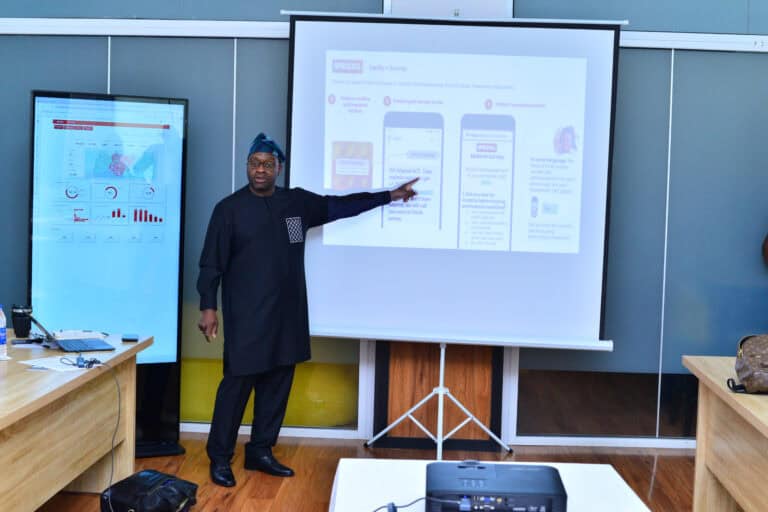
Nigeria’s efforts to combat malaria are receiving a technological boost as the National Malaria Elimination Programme (NMEP) and health technology company Sproxil expand the use of artificial intelligence-powered diagnostics and surveillance tools across the country’s private healthcare sector.
The initiative is designed to improve visibility into malaria testing and treatment activities taking place in community pharmacies and Patent and Proprietary Medicine Vendor (PPMV) outlets, where many Nigerians first seek care for fever-related illnesses.
The expanded programme follows a strategic agreement between Sproxil and the NMEP to scale AI-supported malaria diagnostics, patient follow-up systems and pharmaceutical traceability across Nigeria’s private healthcare network. The collaboration was formalised ahead of World Malaria Day 2026 during a meeting in Lagos themed “Unlocking Private Sector Potential with AI”.
According to the organisations, the technology is already being used in the field. More than 24,000 malaria rapid diagnostic tests have been interpreted using Sproxil’s AI platform at PPMV outlets. Test results are captured through images, analysed by AI models, geotagged and linked to records of medicines dispensed to patients, creating a digital trail that can be incorporated into national surveillance systems.
The system also supports patient monitoring beyond diagnosis. Following treatment, patients receive follow-up surveys to determine whether symptoms have improved, whether prescribed medication was completed and whether additional preventive measures, such as bed-net replacement, are being considered. The resulting data contributes to a broader understanding of treatment outcomes and health-seeking behaviour.
Sproxil said it has collected more than seven million patient and consumer responses through its medicine verification and engagement platforms. These records are linked to verified pharmaceutical products and geotagged to provide near real-time insights into healthcare activity across the private sector.
The initiative also builds on the company’s pharmaceutical traceability infrastructure. Sproxil reports that it has processed approximately 4.5 billion traceability records across more than 300 pharmaceutical brands in Nigeria, helping consumers verify the authenticity of medicines through unique identification codes.
NMEP officials said the growing use of AI-enabled tools could improve the country’s ability to monitor malaria trends, identify treatment gaps and strengthen evidence-based decision-making. The programme aligns with broader efforts to promote the “test first, then treat” approach to malaria management, reducing the risk of treating non-malarial illnesses as malaria.
Related
- MMV Aims to Tackle Some Tough Malaria Challenges with Three New AI Projects In Drug Discovery and Development
- Surgeons Call for AI Adoption to Transform Nigeria’s Healthcare System
- FG Unveils AI-Powered National Cancer Control Plan 2026–2030
Health experts have long noted the importance of improving access to reliable malaria testing within Nigeria’s private healthcare sector, where many patients seek treatment before visiting public health facilities. Studies have shown that limited visibility into private-sector diagnosis and treatment can create challenges for disease surveillance and resource planning.
Looking ahead, NMEP and Sproxil plan to expand AI-supported rapid diagnostic testing into additional states, strengthen reporting from pharmacies and PPMV networks into national surveillance dashboards and pilot new models that could support Nigeria’s National Malaria Strategic Plan for 2026–2030. The partners also indicated that similar digital health infrastructure could eventually be adapted for other priority health areas, including tuberculosis, HIV and maternal and child health services.
As Nigeria continues its fight against one of the world’s deadliest infectious diseases, the collaboration highlights the growing role of artificial intelligence, digital diagnostics and real-time data in strengthening public health systems and improving patient outcomes.

AI Writer
Bio: Joseph Michael is an MBA graduate in Marketing from Ladoke Akintola University of Technology and a passionate tech enthusiast. As a professional writer and author at AIbase.ng, he simplifies complex AI concepts, explores digital innovation, and creates practical guides for Nigerian learners and businesses. With a background in marketing and brand communication, Joseph brings clarity, insight, and real-world relevance to every article he writes.
1 Comment
This is a good news for us. Keep the good job up guys