

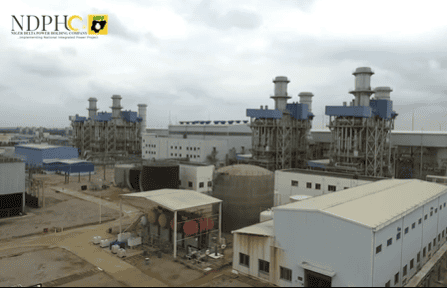
The Niger Delta Power Holding Company (NDPHC) has introduced artificial intelligence (AI) and machine learning technologies to improve the performance of its power plants and reduce the risk of unexpected equipment failures.
The state-owned power company said the new digital systems use predictive maintenance to identify potential faults before they develop into major failures, allowing engineers to intervene early and minimise disruption to electricity generation.
Managing Director and Chief Executive Officer Jennifer Adighije said the company is moving beyond traditional maintenance practices by adopting data-driven technologies that continuously monitor the condition of critical equipment.
Speaking during an engagement with the Nigerian Economic Summit Group (NESG), Adighije said AI is already transforming the way NDPHC manages its generation assets.
“Artificial intelligence and machine learning are no longer futuristic concepts. They are practical technologies that are helping us improve reliability, reduce downtime and optimise the performance of our power plants,” she said.
Unlike conventional preventive maintenance, which relies on scheduled servicing, predictive maintenance analyses operational data from equipment in real time. The system uses machine learning algorithms and sensor technology to detect signs of wear or potential failure before breakdowns occur.
According to the company, the technology enables engineers to monitor turbine performance, fuel efficiency, vibration levels and thermal behaviour continuously. This allows maintenance work to be carried out only when required, helping to improve plant availability while reducing unnecessary servicing costs.
Consider reading:
- Rising AI adoption could worsen Nigeria grid crisis
- Nigeria Expands Use of AI in Security and Surveillance
NDPHC believes the adoption of AI will also support more informed operational decisions and improve the long-term reliability of Nigeria’s electricity infrastructure.
Adighije said digital technologies such as AI, automation and advanced analytics will become increasingly important as Nigeria works to modernise its power sector and address long-standing challenges, including ageing infrastructure, system instability and generation constraints.
She added that AI could also play a wider role in electricity demand forecasting, grid optimisation and energy efficiency, providing additional benefits across the country’s power value chain.
The company noted that wider adoption of advanced technologies will require continued investment in digital infrastructure, workforce development and closer collaboration between government agencies, industry stakeholders and research institutions.
NDPHC said it remains committed to embracing innovation as part of efforts to improve operational efficiency, strengthen electricity generation and contribute to a more reliable power supply for homes and businesses across Nigeria.

AI Writer
Bio: Joseph Michael is an MBA graduate in Marketing from Ladoke Akintola University of Technology and a passionate tech enthusiast. As a professional writer and author at AIbase.ng, he simplifies complex AI concepts, explores digital innovation, and creates practical guides for Nigerian learners and businesses. With a background in marketing and brand communication, Joseph brings clarity, insight, and real-world relevance to every article he writes.