

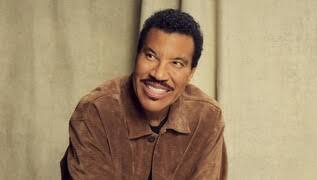
Music legend Lionel Richie has filed trademark applications to protect the sound of his voice, becoming one of the latest high-profile entertainers to take legal action against the growing threat posed by artificial intelligence-powered voice cloning and deepfake technologies.
The applications, submitted to the United States Patent and Trademark Office (USPTO), seek trademark protection for distinctive vocal recordings associated with some of Richie’s most recognisable songs.
The filings reportedly cover vocal phrases from classics including “Hello,” “Say You, Say Me,” “Easy Like Sunday Morning,” and “All Night Long.”
The move comes as generative AI tools become increasingly capable of replicating the voices of celebrities, public figures, and private individuals with remarkable accuracy.
Advances in voice synthesis technology now allow AI systems to recreate a person’s tone, accent, cadence, and speaking style using only a small amount of audio data, raising concerns about identity theft, misinformation, fraud, and unauthorised commercial use.
Protecting a Valuable Asset
For decades, Lionel Richie’s voice has been one of the most recognisable in global music. By seeking trademark protection, the singer is attempting to establish additional legal safeguards around a key part of his personal brand and artistic identity.
Unlike copyright, which protects original recordings and creative works, trademark law is designed to protect identifiers that distinguish the source of goods and services. These identifiers can include names, logos, slogans, colours, and, in some cases, distinctive sounds.
Richie’s applications focus on the unique way specific phrases are delivered in his voice rather than the lyrics themselves. The filings reportedly were submitted through RichLion Holdings, LLC, an entity associated with the artist.
If approved, the trademarks could strengthen Richie’s ability to challenge unauthorised uses of vocal imitations that may mislead consumers into believing he endorsed, created, or participated in a particular piece of content.
AI Voice Cloning Drives New Legal Concerns
The filing reflects growing concerns across the entertainment industry about the misuse of generative AI.
Voice-cloning platforms have become increasingly accessible, allowing users to generate realistic synthetic speech that closely resembles celebrities, musicians, actors, politicians, and broadcasters.
While some applications are being used for legitimate purposes such as dubbing, accessibility, and content localisation, critics warn that the technology can also be used to create deceptive content without consent.
Deepfake audio has already been used in scams, misinformation campaigns, and unauthorised celebrity impersonations. In many cases, AI-generated recordings can be difficult for audiences to distinguish from authentic speech.
For artists and performers whose voices are central to their careers, the technology presents a unique challenge. A singer’s voice is not only a creative instrument but also a commercial asset that generates value through recordings, endorsements, performances, and licensing agreements.
As AI systems become more sophisticated, industry leaders have warned that existing intellectual property laws may not provide sufficient protection against unauthorised digital replicas.
Part of a Broader Industry Trend
Richie is not alone in seeking stronger legal protections in response to AI developments.
A growing number of celebrities and public figures have explored trademark registrations, publicity rights claims, and other legal mechanisms to safeguard their identities.
Recent reports indicate that artists, actors, and entertainers are increasingly examining ways to protect their voices, likenesses, signatures, and other distinctive characteristics from AI-generated reproductions.
The trend reflects broader concerns throughout the creative industries, where musicians, actors, writers, and performers have expressed fears that AI could be used to replicate their work or identities without authorisation or compensation.
Industry organisations have repeatedly called for clearer regulations governing the use of AI-generated content and digital replicas.
The Legal Challenge Ahead
While trademark protection may offer an additional layer of defence, securing a voice trademark is not straightforward.
Under U.S. trademark law, applicants must demonstrate that the sound functions as a source identifier and is recognised by consumers as being associated with a specific individual, product, or service.
Richie will likely need to show that the recordings serve a trademark function beyond their role as memorable song lyrics or musical performances.
Legal experts note that trademark law was not originally designed to address AI-generated voice cloning, meaning future disputes could test how existing intellectual property frameworks apply to synthetic media.
Even if granted, the trademarks would not necessarily provide complete control over all uses of Richie’s voice. Instead, they could strengthen claims in situations where AI-generated content creates confusion regarding endorsement, sponsorship, affiliation, or authenticity.
The outcome of such cases may ultimately help shape how courts interpret intellectual property rights in the age of artificial intelligence.
Rising Calls for AI Regulation
Richie’s filing arrives amid growing debate over how governments and regulators should address AI-generated replicas.
Lawmakers in several jurisdictions have proposed legislation aimed at protecting individuals from unauthorised digital reproductions of their voices and likenesses.
Supporters argue that new laws are necessary because existing copyright, trademark, and publicity rights frameworks were developed long before generative AI technologies emerged.
Technology companies, entertainment organisations, and creators continue to debate where the balance should lie between innovation and individual rights.
The issue has become increasingly important as AI-generated content spreads across social media, streaming platforms, advertising campaigns, and digital entertainment.
A Sign of the Times
Whether Lionel Richie’s trademark applications are ultimately approved remains uncertain. However, the filings underscore how rapidly artificial intelligence is reshaping discussions around ownership, identity, and intellectual property.
What was once considered science fiction, the ability to convincingly recreate a person’s voice using software, is now a widely accessible technology. As a result, artists and public figures are exploring new ways to protect some of their most valuable assets.
Richie’s decision to seek trademark protection highlights a broader shift taking place across the entertainment industry, where the battle to control digital identity is becoming just as important as protecting songs, recordings, and other traditional forms of intellectual property.
As AI-generated deepfakes continue to evolve, the outcome of cases like Richie’s may influence how creators, companies, regulators, and courts approach voice rights in the years ahead.

Senior Reporter/Editor
Bio: Ugochukwu is a freelance journalist and Editor at AIbase.ng, with a strong professional focus on investigative reporting. He holds a degree in Mass Communication and brings extensive experience in news gathering, reporting, and editorial writing. With over a decade of active engagement across diverse news outlets, he contributes in-depth analytical, practical, and expository articles exploring artificial intelligence and its real-world impact. His seasoned newsroom experience and well-established information networks provide AIbase.ng with credible, timely, and high-quality coverage of emerging AI developments.