

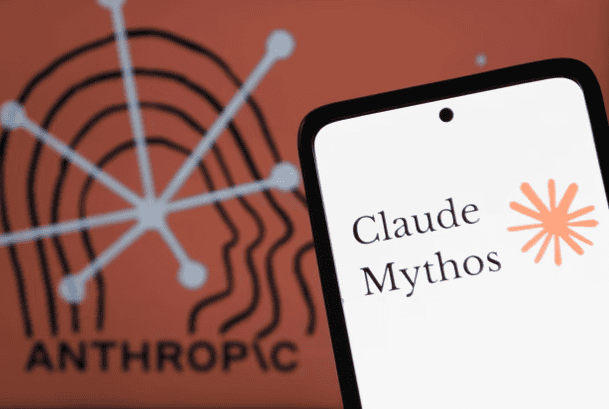
The United States has lifted export controls on Anthropic’s Claude Fable 5 and Claude Mythos 5 artificial intelligence models, bringing an end to restrictions imposed less than three weeks ago over national security concerns.
Anthropic confirmed late on Tuesday that it had received formal notice from the US Department of Commerce that the export controls had been removed. The company said it would begin restoring access to the two frontier AI models, with Claude Fable 5 scheduled to become available globally from Wednesday.
The restrictions were introduced on 12 June after US officials ordered Anthropic to suspend access to the models for foreign nationals. Because the company said it had no practical way to verify users’ nationality in real time, it disabled both models for all users worldwide while it worked with the government on a solution.
According to Anthropic, the controls have now been lifted after it implemented additional safeguards designed to address government concerns about the potential misuse of the technology. The company said it has strengthened protections against so-called “jailbreak” techniques that attempt to bypass built-in safety systems and has agreed to work more closely with US authorities on future AI security standards.
In a letter seen by Reuters, US Commerce Secretary Howard Lutnick said the Department had decided to remove the licence requirement after Anthropic committed to proactively identifying and addressing security risks, cooperating with the government on protocols for future frontier models and reporting malicious activity involving its systems. The letter also makes clear that the Department reserves the right to reimpose export controls should circumstances change or if the company fails to meet those commitments.
Related
- Claude AI vs ChatGPT: Enterprise And Safety Comparison
- Anthropic Unveils Mythos AI Model in New Cybersecurity Push
Anthropic said it is also expanding its collaboration with the US government by providing designated government partners with earlier access to its frontier models. In addition, it will work alongside technology companies including Amazon, Microsoft and Google to develop common industry standards for assessing and mitigating AI jailbreaks.
The dispute centred on concerns that advanced AI systems with sophisticated coding and cyber-security capabilities could be exploited by hostile actors or foreign governments. Claude Mythos 5, which is designed to identify cyber-security vulnerabilities, had already been cleared last week for deployment to a limited group of trusted US organisations before the wider restrictions were removed.
The decision marks a significant shift in the US government’s handling of frontier AI models. While Washington has increased scrutiny of advanced AI releases in recent weeks, the latest agreement signals that developers may regain broader access to international markets by meeting stricter security and governance requirements.
The US Department of Commerce has not, at the time of writing, issued a standalone public press release announcing the decision. However, Commerce Secretary Howard Lutnick’s letter outlining the conditions for lifting the controls was reviewed by Reuters, and Anthropic has confirmed the policy change publicly.

Senior AI Writer
Bio: Okikiola is a writer and AI enthusiast with a background in Office Technology and Management from the Federal Polytechnic Offa. She went further to study an MSc in International Business at De Montfort University (DMU). With extensive work experience across administrative and business roles, she now focuses on exploring how artificial intelligence can transform work, innovation, and everyday life.