

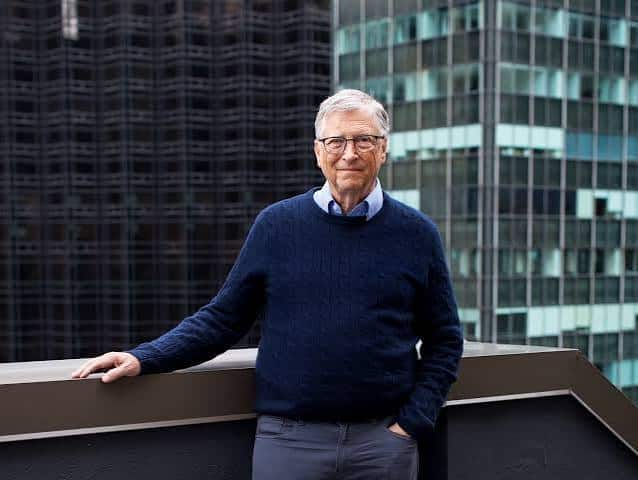
Microsoft co-founder and philanthropist Bill Gates has called for stronger regulation of artificial intelligence, warning that governments worldwide are struggling to keep pace with the technology’s rapid advancement and the risks it poses to society.
In recent interviews and public appearances, Gates said AI is developing faster than policymakers can understand and regulate it. He argued that relying on the technology sector to govern itself would be insufficient given the far-reaching implications of increasingly powerful AI systems.
Gates warned that while artificial intelligence can improve healthcare, education, agriculture and productivity, it also poses significant challenges, including job displacement, cyber threats, misinformation and the misuse of advanced digital tools. He said governments must act more quickly to establish frameworks that encourage innovation while protecting the public from harm.
According to Gates, many governments remain underprepared for the social and economic changes AI could bring. He noted that policymakers will need to address issues such as workforce disruption, national security, taxation, education and the governance of increasingly autonomous AI systems.
The billionaire philanthropist has also advocated creating new national institutions dedicated to AI oversight, as well as stronger international cooperation. He has suggested that global governance mechanisms may be necessary to manage cross-border risks associated with advanced AI technologies, drawing parallels with international frameworks used in areas such as aviation and nuclear safety.
Despite his concerns, Gates remains optimistic about AI’s potential benefits if deployed responsibly. Through the Gates Foundation, he has continued to support initiatives to expand access to AI-powered tools in healthcare, agriculture, and education, particularly in developing countries. The foundation recently announced plans to invest significantly in projects designed to improve equitable access to artificial intelligence and strengthen language representation in AI systems.
Related:
- Challenges of AI Adoption in Africa: Power, Data, and Policy
- Microsoft unveils Copilot Health in latest push into AI‑powered
- MTN Ghana Positions Itself To Lead Africa’s AI Revolution
Gates’ latest comments come amid growing global debate over AI regulation. Governments, technology companies and researchers are increasingly discussing how to balance innovation with safeguards as artificial intelligence becomes more capable and widely adopted. Recent calls from policymakers and industry experts for stronger oversight reflect mounting concerns about the speed of AI development and its potential impact on economies, institutions and everyday life.
While acknowledging that artificial intelligence could become a powerful tool for addressing some of the world’s biggest challenges, Gates stressed that its benefits will largely depend on the decisions governments, companies and societies make today about accountability, transparency and regulation. What is AI?
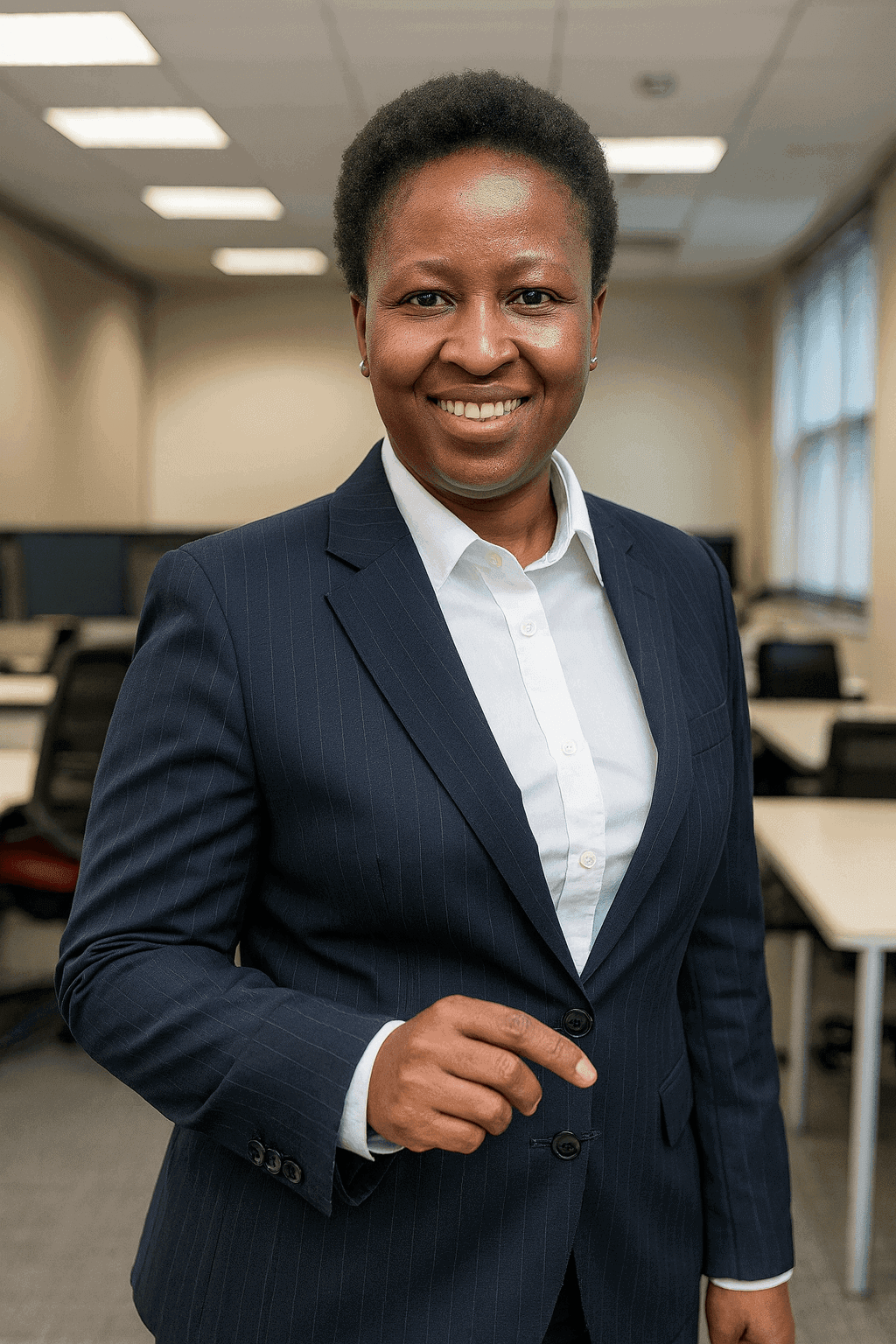
Senior AI Writer
Bio: Okikiola is a writer and AI enthusiast with a background in Office Technology and Management from the Federal Polytechnic Offa. She went further to study an MSc in International Business at De Montfort University (DMU). With extensive work experience across administrative and business roles, she now focuses on exploring how artificial intelligence can transform work, innovation, and everyday life.