

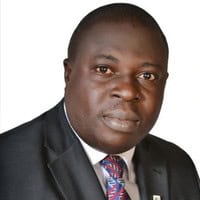
A Nigerian professor has urged newly inducted medical laboratory scientists to embrace artificial intelligence (AI) and continue developing their skills, warning that professionals who fail to adapt to emerging technologies could risk falling behind in the changing healthcare sector.
Professor Olufemi Akanni, a lecturer in Medical Laboratory Science at Osun State University, gave the advice while delivering a guest lecture at the third induction ceremony for Medical Laboratory Science graduates at Elizade University, Ilara-Mokin, Ondo State.
Speaking on the topic, “Medical Laboratory Science Practice in the Era of Artificial Intelligence,” Akanni emphasised AI’s growing relevance to professional practice and the need for graduates to prepare for technological changes in the field.
“Artificial Intelligence will not replace Medical Laboratory Scientists, but those who use AI will replace those who do not,” he said, highlighting the potential advantage for professionals who learn how to use the technology in their work.
He encouraged the graduates to maintain high ethical standards, strengthen their knowledge of quality management systems and pursue continuing professional development to remain competent in their profession.
Akanni’s message comes as AI tools attract increasing attention across healthcare, including their potential use in supporting laboratory workflows and the analysis of medical information. However, professional judgement, appropriate oversight, and reliable results remain central to medical laboratory practice.
Related
- Cybersecurity Key to National Growth and Digital Development – Experts
- Is The World Ready for Automated AI Science Lab?
At the ceremony, Elizade University Vice-Chancellor Professor Philip Oguntade, represented by Professor Joseph Fabayo, underscored the importance of reliable laboratory results in healthcare delivery.
The Registrar and Chief Executive Officer of the Medical Laboratory Science Council of Nigeria, Dr Donald Ofili, was represented by Stanley Nkemakolam, who urged the inductees to uphold professional standards and remain accountable in their practice.
The acting head of the university’s Medical Laboratory Science programme, Dr Folorunso Dada, said the graduating class achieved a 100 per cent success rate in both the first and final professional examinations. He also disclosed that eight graduates earned first-class honours.
The ceremony marked the graduates’ entry into the profession, with the speakers urging them to combine technical competence with ethical responsibility and a willingness to keep learning as healthcare technologies evolve.

AI Writer
Bio: Joseph Michael is an MBA graduate in Marketing from Ladoke Akintola University of Technology and a passionate tech enthusiast. As a professional writer and author at AIbase.ng, he simplifies complex AI concepts, explores digital innovation, and creates practical guides for Nigerian learners and businesses. With a background in marketing and brand communication, Joseph brings clarity, insight, and real-world relevance to every article he writes.