

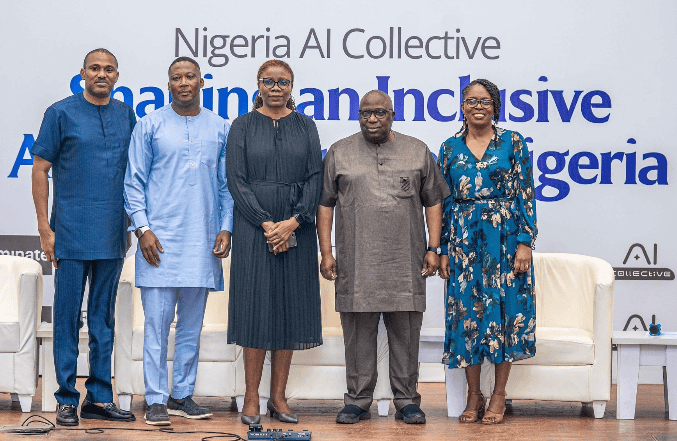
Nigeria is set to host BUILD 2026, a conference focused on shared computing infrastructure and artificial intelligence, as policymakers, researchers, investors and technology professionals gather in Abuja to discuss how Africa can build the infrastructure needed to support its growing AI ambitions.
The two-day conference will take place on October 21 and 22, 2026, under the theme “Building Africa’s Shared Compute and AI Infrastructure.” The Nigeria AI Collective is hosting it under the leadership of the Federal Ministry of Communications, Innovation and Digital Economy.
Organisers describe BUILD 2026 as Africa’s Shared Compute and AI Infrastructure Conference. The event will focus on the infrastructure, investment, policy and partnerships required to strengthen Africa’s position in the global AI ecosystem.
The conference comes as African countries seek to expand their use and development of artificial intelligence while facing challenges around access to computing power, reliable electricity, data centres, connectivity, investment and technical capacity.
Rather than focusing only on AI applications and models, BUILD 2026 will examine the infrastructure required to develop, train and deploy AI systems at scale.
According to the organisers, discussions will explore how African countries and institutions can build, share and govern the computing resources required for the continent’s AI development.
The programme is organised around six thematic areas: infrastructure, economics, geopolitics, tech justice, governance and ethics, and innovation catalysis.
These areas are intended to bring together technical and policy discussions around AI infrastructure, including questions of investment, procurement, governance and regional cooperation.
The conference will bring together policymakers, researchers, innovators, investors and AI builders. The organisers say the goal is to move beyond general discussions about Africa’s AI ambitions and develop practical approaches to infrastructure development and collaboration.
One central issue is access to shared computing resources. AI development increasingly requires significant computing capacity, particularly to train and run advanced models. Limited access to suitable infrastructure can create barriers for researchers, startups and other organisations seeking to develop AI systems locally.
BUILD 2026 will therefore examine approaches to shared compute and the economic models that could make such infrastructure more accessible across the continent.
Energy is also expected to be an important part of the conversation. The organisers have identified electricity, AI-ready data centres, network capacity, and other infrastructure limitations as structural challenges affecting Africa’s AI ecosystem.
Related
- OpenAI Launches New Voice Intelligence Features in its API
- Apple to pay $250 million to U.S. iPhone users in AI lawsuit settlement
- Intron Launches Voice AI For Africa
The conference will also address governance and digital sovereignty, reflecting growing discussions about who owns, controls and manages the infrastructure that supports AI development.
For Nigeria, hosting the event places the country at the centre of a continental conversation about the physical and digital infrastructure required for the next phase of AI development.
The Nigeria AI Collective has said BUILD 2026 will bring together stakeholders to consider how Africa can build infrastructure that is not only available but also economically viable, responsibly governed and capable of supporting regional collaboration.
The event is scheduled for Abuja on October 21–22, 2026, with applications for attendance currently open. The Nigeria AI Collective said it will review applications and that spaces are limited.
As artificial intelligence becomes increasingly important to research, business and public services, access to computing infrastructure is becoming a major part of the wider AI development debate.
BUILD 2026 will provide a platform for African stakeholders to discuss that challenge and consider how shared infrastructure, investment, governance and regional partnerships can support the continent’s long-term AI ambitions.

AI Writer
Bio: Joseph Michael is an MBA graduate in Marketing from Ladoke Akintola University of Technology and a passionate tech enthusiast. As a professional writer and author at AIbase.ng, he simplifies complex AI concepts, explores digital innovation, and creates practical guides for Nigerian learners and businesses. With a background in marketing and brand communication, Joseph brings clarity, insight, and real-world relevance to every article he writes.