

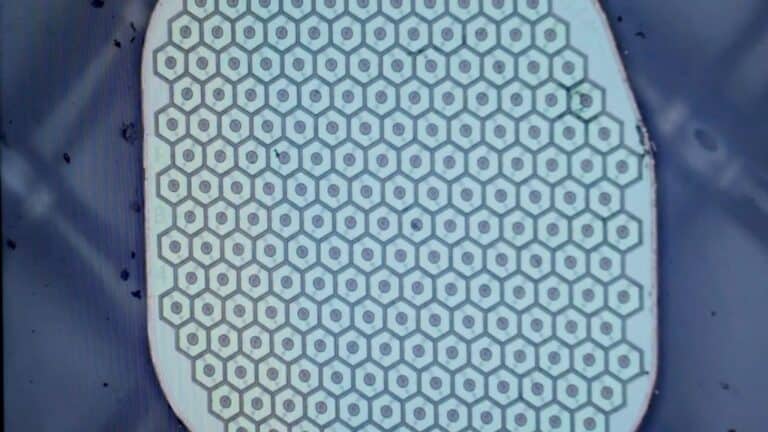
Neurotechnology company Science Corp is reportedly preparing to begin its first human brain sensor placements, marking a significant step forward in the development of advanced brain–computer interface (BCI) systems aimed at restoring and enhancing neural function.
The company’s initiative focuses on implantable sensor technology designed to record and interpret brain activity at high resolution, potentially enabling new treatments for neurological disorders such as paralysis, epilepsy, and degenerative brain conditions. The planned human procedures are expected to follow earlier preclinical testing phases, which the company says demonstrated promising safety and signal accuracy results.
A spokesperson for Science Corp described the upcoming phase as a carefully controlled transition from laboratory validation to real-world clinical application.
“We are entering a critical stage where years of research are now moving toward human application under strict clinical oversight,” the spokesperson said. “Our goal is to ensure both safety and meaningful neural signal capture before any broader deployment.”
According to the company, the first procedures will involve a limited number of participants under regulatory supervision, with continuous monitoring to assess biocompatibility, device stability, and data integrity. The firm emphasised that early trials are not intended for consumer use but for foundational clinical research.
Industry analysts note that the move places Science Corp among a small group of neurotechnology developers attempting to bridge invasive brain sensing with scalable medical applications. However, experts also caution that human brain implantation remains highly complex, with risks including infection, immune response, and long-term device degradation.
A second statement from the company highlighted its cautious approach to the rollout.
“We are proceeding step-by-step, prioritizing patient safety and ethical standards above all else,” the statement added. “Each stage of testing will inform the next, and nothing will advance without regulatory approval and clinical validation.”
If successful, the program could contribute to next-generation brain–computer interfaces capable of restoring communication for patients with severe motor impairments, as well as advancing research in cognitive neuroscience.
Regulatory reviews and ethical oversight processes are expected to remain central as Science Corp advances toward its first human brain sensor placements.
Read:
- Meta Unveils TRIBE v2: AI Model Capable of Predicting Human Brain Activity
- New AI Detects Multiple Brain Diseases via Blood Test

Senior Reporter/Editor
Bio: Ugochukwu is a freelance journalist and Editor at AIbase.ng, with a strong professional focus on investigative reporting. He holds a degree in Mass Communication and brings extensive experience in news gathering, reporting, and editorial writing. With over a decade of active engagement across diverse news outlets, he contributes in-depth analytical, practical, and expository articles exploring artificial intelligence and its real-world impact. His seasoned newsroom experience and well-established information networks provide AIbase.ng with credible, timely, and high-quality coverage of emerging AI developments.