

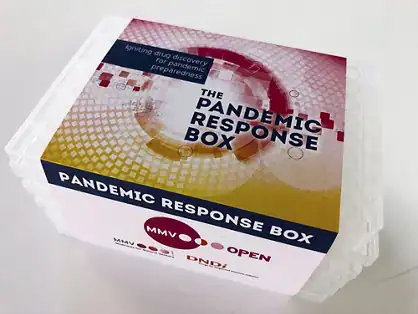
In a bid to outpace one of the world’s most subtle but deadliest diseases, Medicines for Malaria Venture (MMV), a global health nonprofit organisation focused on developing and delivering affordable antimalarial drugs, has unveiled three new artificial intelligence-driven projects aimed at accelerating the discovery and development of next-generation malaria treatments.
The initiative reflects a growing shift in global health innovation, where AI is increasingly being deployed to tackle complex diseases that have long resisted conventional research approaches. Despite decades of intervention, malaria continues to pose a major public health threat, particularly across Sub-Saharan Africa, where the disease accounts for the vast majority of global cases and deaths.
MMV said the newly launched projects will focus on some of the most persistent challenges in malaria drug development, including identifying novel compounds, understanding parasite resistance, and improving the efficiency of clinical trials. By leveraging AI, researchers aim to significantly shorten the time from early discovery to approved treatments.
One of the projects is designed to use machine learning models to rapidly screen and identify promising drug candidates from vast chemical libraries, an approach that could dramatically reduce the time and cost associated with traditional laboratory testing. The second initiative will apply AI tools to better predict how malaria parasites evolve and develop resistance to existing drugs, a growing concern that threatens recent gains in malaria control.
A third project will focus on optimising clinical development processes by using data-driven insights to improve trial design, patient selection, and outcome prediction, thereby increasing the chances of success in later-stage development.
Speaking on the development, MMV’s Chief Executive Officer, David Reddy, said the integration of artificial intelligence into malaria research goes beyond speed to improving the precision and scale of drug discovery.
“Artificial intelligence allows us to analyse vast datasets and identify promising drug candidates far more efficiently than traditional methods,” Reddy said, noting that “such tools can reveal critical patterns and insights that might otherwise remain hidden…”
Global health experts have increasingly pointed to artificial intelligence as a transformative force in drug discovery, with organisations such as the World Health Organisation highlighting its potential to address critical gaps in treatment development for neglected diseases.
For high-burden countries like Nigeria, the implications of faster and more effective malaria drug development are significant. Improved treatments could help reduce mortality rates, ease pressure on healthcare systems, and support broader economic productivity.
While MMV did not disclose specific timelines for the projects, the organisation indicated that the initiatives are part of a broader strategy to harness emerging technologies and strengthen global collaboration in the fight against malaria.
- Read Also: The Role of AI in Genomics
The move underscores a wider trend in the pharmaceutical and public health sectors, where AI is increasingly being positioned as a key enabler of faster, smarter, and more cost-effective innovation. If successful, MMV’s latest push could mark a turning point in how the world approaches one of its oldest and most persistent diseases.

Senior Reporter/Editor
Bio: Ugochukwu is a freelance journalist and Editor at AIbase.ng, with a strong professional focus on investigative reporting. He holds a degree in Mass Communication and brings extensive experience in news gathering, reporting, and editorial writing. With over a decade of active engagement across diverse news outlets, he contributes in-depth analytical, practical, and expository articles exploring artificial intelligence and its real-world impact. His seasoned newsroom experience and well-established information networks provide AIbase.ng with credible, timely, and high-quality coverage of emerging AI developments.