

What Happened?
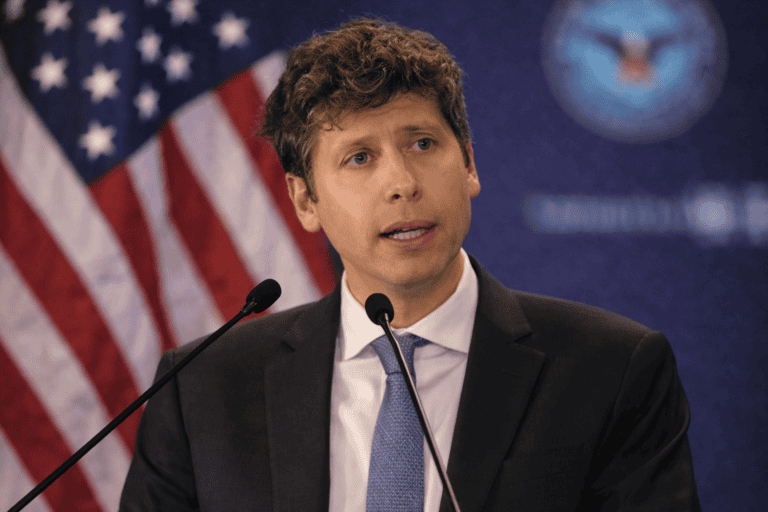
OpenAI, the developer behind ChatGPT, recently announced a partnership with the U.S. Department of Defence to allow its AI models to operate on classified military networks. The deal immediately sparked concern across the tech and AI ethics community, raising questions about potential misuse in surveillance, autonomous weapons, and sensitive intelligence operations.
The backlash was intensified by timing: rival AI company Anthropic had already declined similar military work, drawing public attention to OpenAI’s choice to collaborate with defence agencies.
Public and Industry Reaction
The agreement faced criticism on several fronts:
- Ethical Concerns: Experts warned that deploying AI on classified military systems could jeopardise human rights, privacy, and ethical standards.
- Community Backlash: Users and employees expressed disappointment, with some cancelling subscriptions and questioning OpenAI’s principles.
- Reputational Risk: Analysts described the announcement as rushed and “sloppy,” suggesting opportunism over ethics.
This immediate reaction prompted OpenAI to reassess how the deal aligned with its stated mission of safe AI deployment.
OpenAI’s Response
In response to criticism, OpenAI revised the original agreement:
- Clarification of Use Limits: AI tools are explicitly prohibited from domestic surveillance applications.
- Stricter Safeguards: Certain intelligence operations were restricted, and ethical compliance language was strengthened.
- Acknowledgement of Errors: CEO Sam Altman admitted the rollout was “opportunistic and sloppy” and promised a more structured review of AI applications in defence settings.
These changes aim to balance U.S. national security priorities with ethical safeguards demanded by OpenAI and the broader AI community.
Analysis
The episode highlights a tension in the AI industry: adopting cutting-edge technology in high-stakes environments while maintaining public trust and ethical responsibility.
Key takeaways include:
- Corporate Accountability: OpenAI’s swift revisions show how public and employee feedback can shape corporate strategy.
- Ethics vs. Opportunity: Companies must weigh lucrative government contracts against reputational and ethical risks.
- Precedent for AI Governance: The case may guide other AI providers facing defence-related contracts.
Experts note that as AI intersects more with military applications, transparency, clear ethical frameworks, and proactive communication will be essential to prevent backlash and maintain confidence.
Final Takes
OpenAI and U.S. defence officials are expected to continue refining the agreement to address remaining concerns. Observers will monitor whether this revised approach meets ethical expectations while supporting national security, potentially shaping future contracts between AI developers and government entities.

Senior Reporter/Editor
Bio: Ugochukwu is a freelance journalist and Editor at AIbase.ng, with a strong professional focus on investigative reporting. He holds a degree in Mass Communication and brings extensive experience in news gathering, reporting, and editorial writing. With over a decade of active engagement across diverse news outlets, he contributes in-depth analytical, practical, and expository articles exploring artificial intelligence and its real-world impact. His seasoned newsroom experience and well-established information networks provide AIbase.ng with credible, timely, and high-quality coverage of emerging AI developments.