

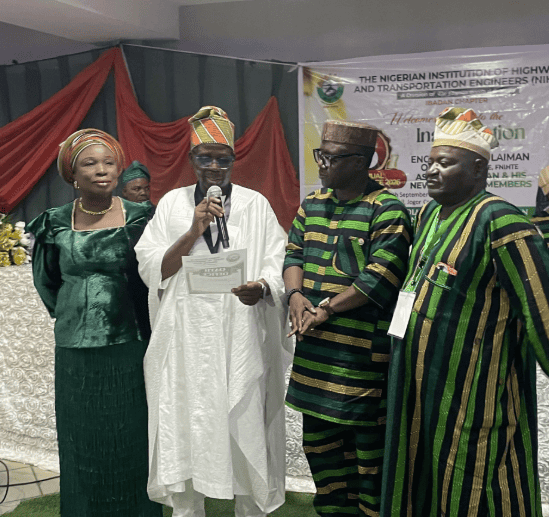
IBADAN, Nigeria – The Nigerian Institution of Highway and Transportation Engineers (NIHTE) has urged governments at all levels to adopt AI-powered traffic enforcement systems to reduce road violations, improve highway performance, and strengthen traffic management nationwide.
The call was made during the 6th Annual Conference of the NIHTE Ibadan Chapter, where transportation experts highlighted the growing role of intelligent transport technologies in enhancing road safety and reducing congestion.
The conference was themed “Drivers’ Traffic Violations and Their Impact on Highway Performance: Empirical Evidence From AI-Based System in Nigeria.”
Speaking at the event, the newly inaugurated Chairman of NIHTE Ibadan Chapter, Lawal Olalekan, said adopting Artificial Intelligence (AI) and Intelligent Transport Management Systems would improve mobility, road safety, and operational efficiency on Nigerian roads.
According to him, AI-powered traffic control systems can analyse real-time data from cameras, sensors and GPS technologies to detect violations, predict congestion and support automated traffic management.
Olalekan noted that intelligent traffic systems could help reduce travel times, lower fuel consumption and minimise accidents linked to human error and poor traffic coordination.
He added that effective enforcement of traffic regulations could also improve compliance among motorists and contribute to government revenue through lawful penalties for traffic offences.
Also speaking at the conference, transportation scholar Dr Adeolu Odutayo of Olabisi Onabanjo University said Nigeria’s reliance on manual traffic enforcement has created significant gaps in road management.
He argued that AI-based monitoring and enforcement technologies could help address persistent traffic violations and improve compliance with road regulations.
Odutayo called for policy measures to support the deployment of intelligent transport systems, stressing the need for multidisciplinary collaboration, reliable data infrastructure and safeguards to protect privacy and ensure responsible use of technology.
Related
- Ways AI Can Improve Nigeria Transport System – AIBase Nig
- What is Physical AI?
- AI and the Future of Policing in Nigeria
- AI-Powered Self-Driving Vehicle Trials on UK Roads from 2026
- FirstBank Champions AI Revolution to Empower SMEs
Meanwhile, NIHTE National Chairman Dr Bola Mudashiru cautioned that technology alone would not solve Nigeria’s traffic challenges.
He said behavioural change among motorists remains essential, arguing that sustainable improvements in road safety require both technological enforcement and greater adherence to traffic rules.
Mudashiru advocated increased investment in Intelligent Transport Systems (ITS), including AI-enabled surveillance cameras and Automated Number Plate Recognition (ANPR) technology that can monitor road users from central control centres.
He said consistent enforcement would encourage compliance and improve discipline among motorists.
The recommendations come as transportation authorities and engineering professionals increasingly explore digital solutions to address traffic congestion, road safety concerns and enforcement challenges in rapidly growing urban centres.
Industry experts say AI-powered systems are becoming a key component of modern transport infrastructure in many countries, supporting data-driven traffic management and automated enforcement mechanisms.

AI Writer
Bio: Joseph Michael is an MBA graduate in Marketing from Ladoke Akintola University of Technology and a passionate tech enthusiast. As a professional writer and author at AIbase.ng, he simplifies complex AI concepts, explores digital innovation, and creates practical guides for Nigerian learners and businesses. With a background in marketing and brand communication, Joseph brings clarity, insight, and real-world relevance to every article he writes.