

Nigeria’s Independent Corrupt Practices and Other Related Offences Commission (ICPC) has unveiled an artificial intelligence-powered anti-corruption system to improve transparency and monitor public projects across the country.
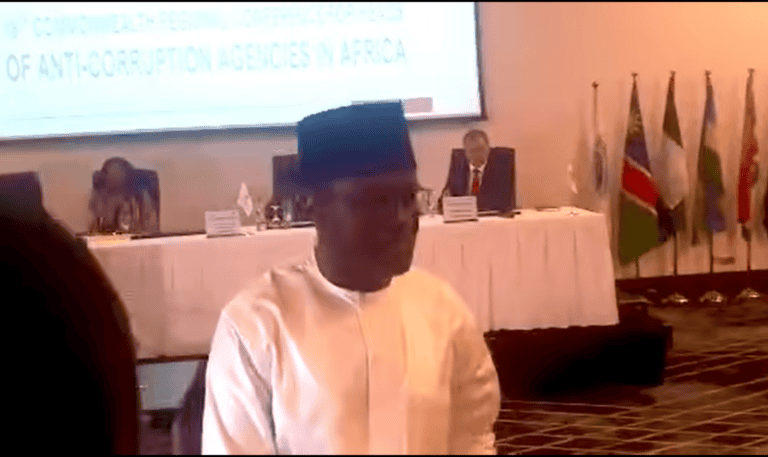
The agency presented the initiative during the 16th Commonwealth Regional Conference for Heads of Anti-Corruption Agencies in Africa held in Yaoundé, Cameroon, where delegates discussed the growing role of technology in strengthening governance and combating corruption.
According to the ICPC, the platform combines artificial intelligence with geospatial technology to track and monitor government-funded projects in real time. Officials said the system is designed to help detect irregularities, identify abandoned projects and improve oversight of public spending.
The commission described the technology as part of its wider efforts to modernise anti-corruption operations through digital innovation and data-driven monitoring.
Reports from the conference indicated that the system can analyse project information, verify locations and generate insights that may assist investigations and policy decisions. The agency said the platform could also reduce dependence on manual inspections while improving accountability in project execution.
The unveiling comes as governments and anti-corruption agencies across Africa increasingly explore the use of artificial intelligence and digital tools in public administration and regulatory enforcement.
Discussions at the Commonwealth conference reportedly focused on both the opportunities and challenges associated with AI adoption, including concerns around ethics, accountability, transparency and data protection.
Some media reports covering the event cited claims that the initiative had contributed to tracking projects worth trillions of naira and to the recovery or protection of billions of naira in public funds. However, those figures appear to originate from statements attributed to the ICPC and have not yet been independently verified through publicly available audits or external assessments.
As a result, any financial recovery claims linked to the system should currently be treated as official agency statements rather than independently confirmed results.
Related:
- AI Policy Draft Unveiled In South Africa To Establish Institutions And Drive Incentives
- Nigeria’s E-Governance Bill 2025: What It Means for AI and for You
The ICPC’s latest move reflects a broader push by public institutions to integrate emerging technologies into governance and oversight processes. While observers say AI could strengthen transparency and improve efficiency in anti-corruption work, experts also note that technology alone is unlikely to replace the need for institutional reforms, effective enforcement and political accountability.
The conference in Yaoundé brought together anti-corruption agencies, policymakers and governance experts from across the Commonwealth to examine collaborative approaches to corruption prevention in an increasingly digital world.

AI Writer
Bio: Joseph Michael is an MBA graduate in Marketing from Ladoke Akintola University of Technology and a passionate tech enthusiast. As a professional writer and author at AIbase.ng, he simplifies complex AI concepts, explores digital innovation, and creates practical guides for Nigerian learners and businesses. With a background in marketing and brand communication, Joseph brings clarity, insight, and real-world relevance to every article he writes.