

Burkina Faso has launched a new initiative to develop artificial intelligence (AI) tools in local languages to expand digital inclusion and strengthen its national AI framework.
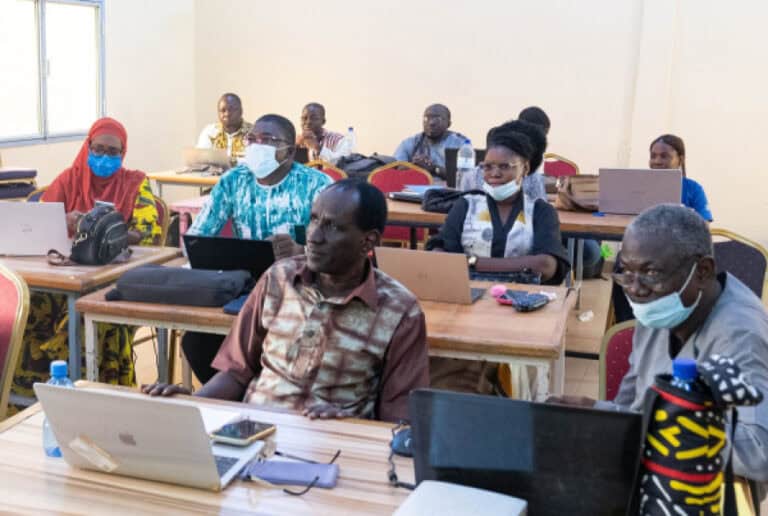
The Ministry of Digital Transition, Posts and Electronic Communications convened a national workshop in Ouagadougou to build linguistic datasets for four widely spoken languages-Mooré, Dioula, Fulfuldé and Gulmancema. The effort focuses on creating structured resources needed to train AI systems for applications such as speech recognition, machine translation and voice synthesis.
According to officials, the initiative is designed to ensure that AI technologies reflect the country’s linguistic and cultural realities, while improving access to digital services in a multilingual society.
In a statement, the ministry said:
“By integrating national languages into emerging technologies, Burkina Faso is demonstrating its commitment to building inclusive, accessible artificial intelligence tailored to its sociocultural context.”
The government added that the programme aligns with its broader digital transformation roadmap to 2030, particularly its ambition to make AI accessible to all citizens.
The project brings together researchers, linguists, media professionals, and AI experts to develop reliable language corpora, which are considered essential for training effective AI models and advancing technological sovereignty.
Burkina Faso’s push comes amid a wider trend across Africa, where countries are increasingly prioritising local language integration in AI development to bridge digital divides and improve access to public services.
Analysts say the initiative could unlock new opportunities in education, governance and innovation, particularly in rural communities where local languages remain the primary means of communication.

Senior Reporter/Editor
Bio: Ugochukwu is a freelance journalist and Editor at AIbase.ng, with a strong professional focus on investigative reporting. He holds a degree in Mass Communication and brings extensive experience in news gathering, reporting, and editorial writing. With over a decade of active engagement across diverse news outlets, he contributes in-depth analytical, practical, and expository articles exploring artificial intelligence and its real-world impact. His seasoned newsroom experience and well-established information networks provide AIbase.ng with credible, timely, and high-quality coverage of emerging AI developments.