

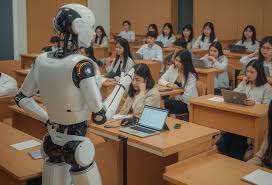
China has launched a global artificial intelligence education service platform to expand access to digital learning resources and strengthen international cooperation in AI-powered education.
The platform was unveiled during the World Digital Education Conference in Hangzhou, as China continues to expand efforts to integrate artificial intelligence into education systems and lifelong learning programmes. Authorities said the initiative is intended to promote the sharing of digital educational resources and to support the wider adoption of AI tools in teaching and learning worldwide.
The platform is an upgraded version of China’s existing Smart Education initiative, which already provides access to digital learning content in many countries and regions. The new system adds expanded services, including a lifelong learning hub and a Chinese-language learning community for international users.
Officials said the launch reflects China’s broader strategy to modernise education through artificial intelligence and digital technologies while increasing global collaboration in education development. The initiative is also designed to support more inclusive access to educational resources across developing and developed regions.
“Artificial intelligence is becoming a key driver in transforming education systems and expanding access to quality learning resources globally,” an official involved in the initiative said.
The World Digital Education Conference brought together policymakers, educators, researchers and technology companies to discuss the future of AI in education. Discussions focused on digital transformation, governance of AI in learning systems and ways to reduce the global education gap through technology.
During the event, China also released reports assessing global progress in digital education and outlining trends in smart learning systems. These reports are intended to provide benchmarks for measuring how countries are adopting digital tools in education and improving access to learning technologies.
The new platform is part of a wider national policy direction known as the “AI Plus Education” initiative. The policy promotes the integration of artificial intelligence across all levels of education, from primary schools to higher education and adult learning programmes.
Under this framework, AI is expected to support teaching, automate administrative tasks, and provide personalised learning tools for students. It also includes efforts to improve AI literacy among teachers and students through training and curriculum updates.
China’s Ministry of Education has stated that the goal is to build a comprehensive AI education system that ensures equal access to digital learning opportunities. The government says this approach is intended to prepare the workforce for a more technology-driven economy.
Analysts say the launch of the global platform reflects China’s ambition to strengthen its role in international education technology. By offering digital learning services and AI tools to global users, China is positioning itself as a major contributor to the future of smart education systems.
“China aims to build an inclusive global digital education ecosystem powered by artificial intelligence and cross-border cooperation in learning technologies,” another source disclosed.
The initiative also aligns with broader national efforts to expand the use of artificial intelligence across key sectors, including industry, healthcare and public services. Education has been identified as a priority area for long-term development.
Experts believe the platform could help improve access to educational content in regions with limited learning infrastructure, while also promoting cross-border collaboration in digital education research and innovation.
With this launch, China is aiming to deepen its influence in global education technology and accelerate the adoption of artificial intelligence in learning environments worldwide.

Senior Reporter/Editor
Bio: Ugochukwu is a freelance journalist and Editor at AIbase.ng, with a strong professional focus on investigative reporting. He holds a degree in Mass Communication and brings extensive experience in news gathering, reporting, and editorial writing. With over a decade of active engagement across diverse news outlets, he contributes in-depth analytical, practical, and expository articles exploring artificial intelligence and its real-world impact. His seasoned newsroom experience and well-established information networks provide AIbase.ng with credible, timely, and high-quality coverage of emerging AI developments.