

Nigeria’s Electoral Fraud Challenges From A Historical Perspective
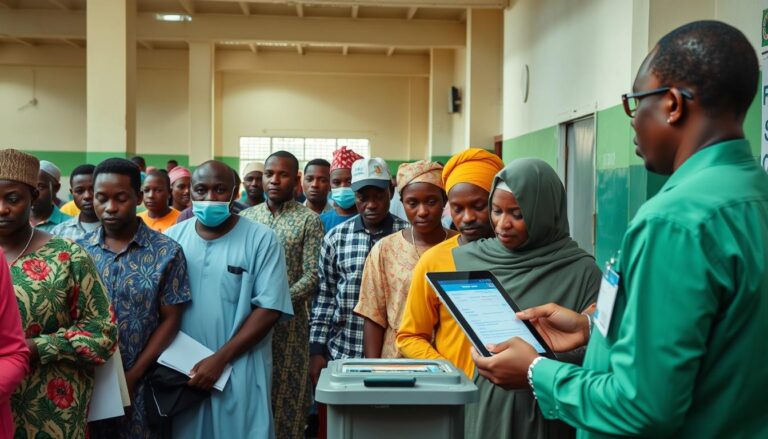
Since independence, Nigeria’s election processes have faced recurring integrity problems. Incidents such as ballot-box stuffing, voter impersonation, multiple voting, and manipulation during result collation have periodically undermined public trust in democratic bodies and outcomes. The 2023 general elections showed some procedural improvements but also highlighted persistent vulnerabilities in logistics, security, and information integrity.
According to the Independent National Electoral Commission (INEC), common fraud types include multiple voting, impersonation, manipulation of results during collation, and the growing influence of digital misinformation spread through news and social media channels. These issues are exacerbated by Nigeria’s large geography, diverse population, and infrastructure gaps—factors that complicate the conduct of secure, uniform elections across the country.
“As far back as independence, Nigeria’s electioneering process has been tumultuous, mostly fraudulent, rancorous and violent. The circle of elections which the new democratic dispensation ushered in from 1999 hasn’t fared much better.”
Traditional, largely manual procedures have struggled to keep pace with the scale and technical sophistication of modern electoral challenges. That mismatch has increased calls from civil society, election bodies, and technology partners for measured adoption of tools—such as data-driven systems and AI-that can strengthen transparency, speed verification, and reduce opportunities for manipulation.
AI Can Support – Not Replace – Nigeria’s Election Institutions
AI is not a magic solution and cannot decide disputes or replace institutional judgment. Used as part of a broader strategy that includes INEC reforms, legal safeguards, civil society oversight, and voter engagement, AI can make manipulation harder to execute and easier to detect, helping preserve confidence in election outcomes.
Combining AI tools, improved systems, and stronger public communication provides a foundation for more transparent, secure elections. For further reading on INEC tools and official guidance, consult INEC’s public materials and post-election reports.
Potential AI Technologies for Election Fraud Detection and Prevention
Artificial intelligence brings a set of complementary technologies that can improve the speed, scale, and auditability of election processes. Used together, these tools help detect anomalous patterns, verify identities, secure records, and limit the spread of misinformation, reducing opportunities for fraud and strengthening public confidence in election outcomes.
Machine Learning Algorithms for Pattern Recognition
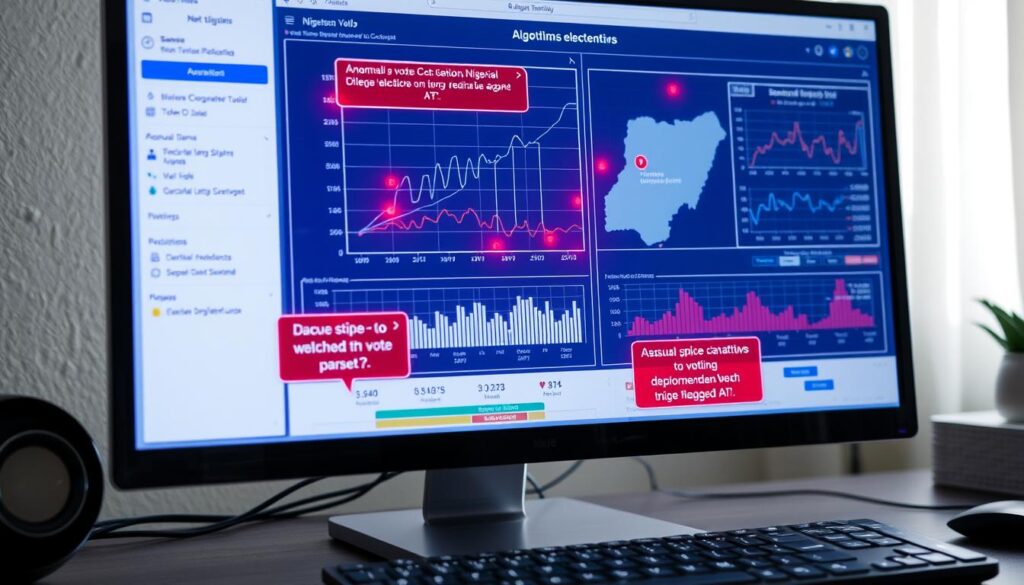
Machine learning (ML) systems analyse prominent electoral datasets-turnout figures, polling‑unit results, and historical voting behaviour-to surface statistically unusual patterns that may indicate manipulation. Typical detections include improbable turnout spikes, sudden shifts in voter behaviour, or result distributions that deviate from historical norms.
Example use: an ML model can flag a polling unit reporting 100% turnout while neighbouring units show 50-70%. Such anomalies are then prioritised for human review or spot audits-best use cases: large-scale pre‑collation scans and real‑time anomaly detection during result aggregation.
- Limitations: ML produces probabilistic flags (not proof); results require human validation to avoid false positives.
- Data needs: High-quality, well-structured historical and current result data improves accuracy.
Biometric Verification Systems
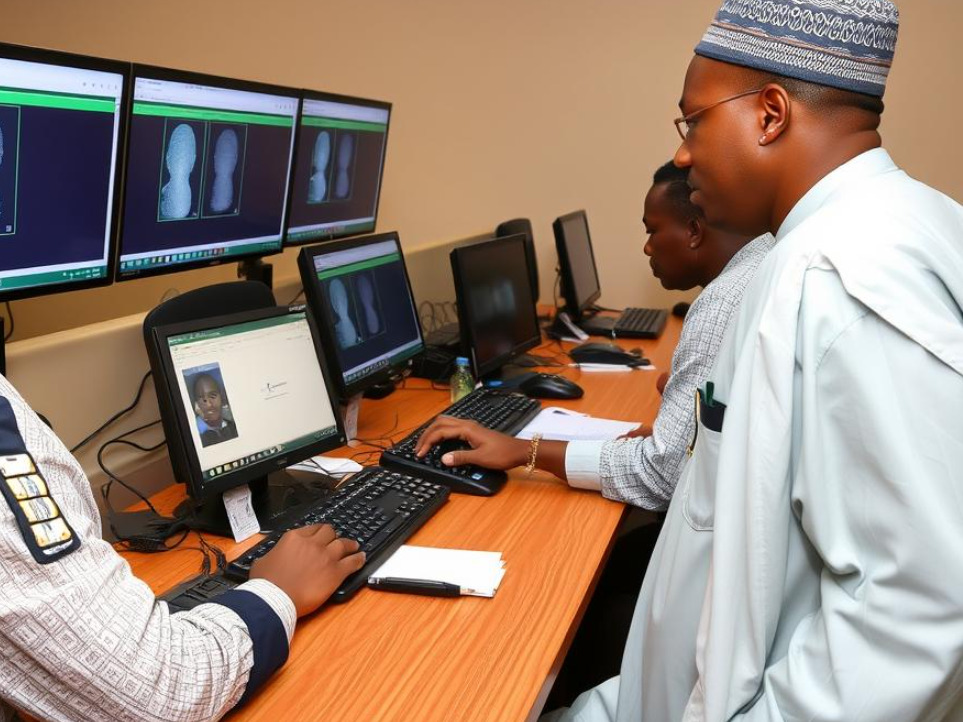
Biometric systems such as BVAS (Bimodal Voter Accreditation System) use fingerprints and facial templates to verify voter identity at the point of accreditation. Artificial intelligence can improve matching accuracy under challenging conditions (poor lighting, partial prints) and detect attempts to use synthetic identities or altered biometric inputs.
Best use cases: preventing impersonation at polling units and cleaning voter rolls before elections. Limitations include the need for high-quality biometric captures, strong data protection, and transparent fallback processes when biometric checks fail.
BVAS evolution: BVAS expanded verification beyond the earlier Smart Card Reader; AI enhancements can further reduce false matches and speed throughput, but the scope and technical specs of the national rollout should be verified against INEC documentation.
Blockchain Integration for Immutable Record‑Keeping
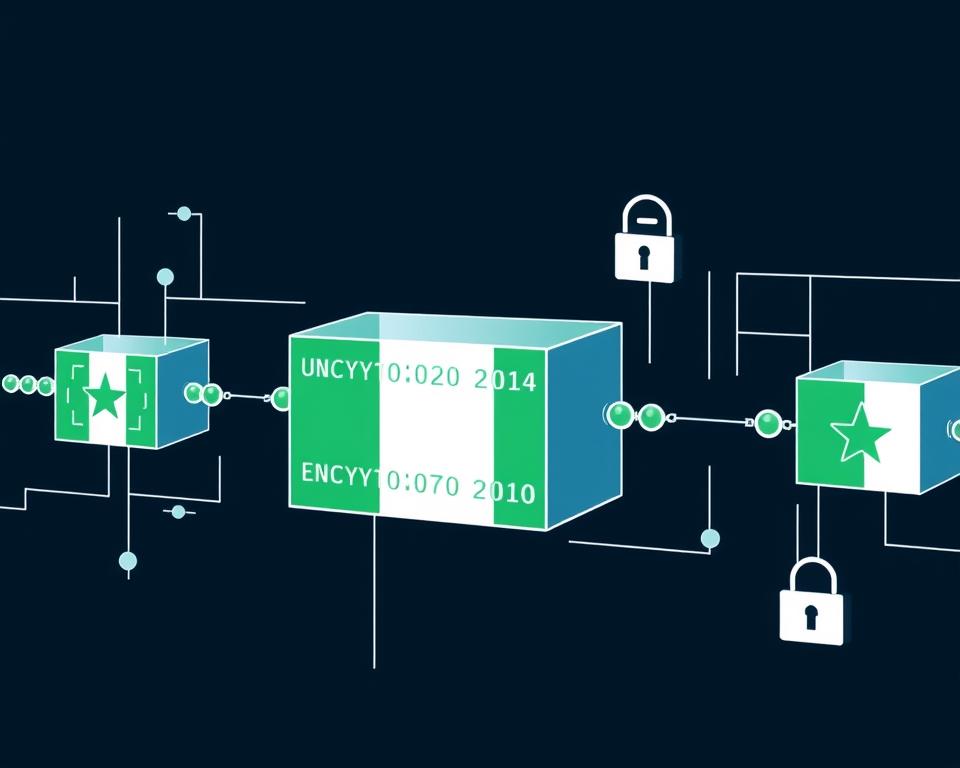
Blockchain can provide tamper-evident ledgers for critical stages of the voting lifecycle, such as recording timestamps, result snapshots, or batches of validated transactions. When paired with AI monitoring, the combination can make unauthorised edits easier to detect and audit.
Use case: appending cryptographic proofs of collation-stage totals to a distributed ledger so auditors and the public can verify that reported results match recorded checkpoints. Limitations: blockchain does not solve data-input integrity, has performance and cost considerations at the national scale, and requires careful privacy engineering to avoid exposing voter data.
Natural Language Processing for Misinformation Detection
Natural Language Processing (NLP) tools scan social media, news sites, and messaging platforms to detect emerging false narratives, synthetic content, and coordinated misinformation trends. These systems use semantic analysis, network propagation tracking, and source reputation scoring to prioritise suspicious items for fact-checks.
Practical outputs include dashboards that highlight viral posts likely to be false, clusters of coordinated accounts spreading similar claims, or sudden spikes in misleading news items, helping journalists, fact-checkers, and INEC communications teams act quickly.
- Limitations: Access to platform data (APIs, platform cooperation) and the ability to process encrypted messaging channels (e.g., private WhatsApp groups) can restrict coverage.
- Best practices: Combine automated detection with human fact-checkers and local-language expertise to reduce false positives and ensure culturally appropriate responses.
Across all technologies, the most effective deployments pair AI detection with human team observers, election officials, and civil society to validate findings, investigate anomalies, and translate alerts into operational actions that protect voters and preserve trust in the election process.
Implementing AI Solutions in Nigerian Elections: Case Studies and Potential Applications
Comprehensive artificial intelligence integration in Nigerian elections is still evolving, but several implementations and pilots demonstrate concrete benefits for fraud prevention, verification, and operational efficiency. The following cases illustrate how AI and data-driven systems can be applied across election processes, while accounting for practical constraints and governance needs.
Automated Biometric Identification System (ABIS)
INEC has adopted biometric matching tools commonly grouped under ABIS to identify and remove duplicate registrations from the voter register. These systems use fingerprint and facial-matching algorithms to compare entries across the full database, spotting duplicates that would be impractical to detect manually at scale.
INEC reported significant clean-up efforts ahead of recent elections; for example, ABIS-assisted de-duplication has been cited in post‑registration summaries as an essential step toward improving register quality (verify with INEC post‑registration reports for exact figures). Such data-driven interventions show how AI can strengthen the foundation of the voting process before election day.
AI-Enhanced Result Verification
The INEC Results Viewing Portal (IReV) increased transparency by publishing polling-unit results. AI can augment IReV by automating consistency checks-comparing unit-level totals, ward sums, and higher-level aggregates to detect mismatches or arithmetic errors in near real time.
Practical example: an AI verification routine can compute the sum of all EC8A polling-unit results and compare it to the EC8B ward total; discrepancies are flagged instantly for human review or targeted audits. This reduces the window for results manipulation and improves the traceability of reported outcomes.
Current Manual Collation Process
- Polling unit results recorded on Form EC8A
- Results manually transferred to the Ward level (EC8B)
- Further manual collation at LGA level (EC8C)
- State-level collation (EC8D) was done manually
- Prone to human errors and manipulation
- Difficult to track and verify changes
PotentiAI-Enhanced Collation Process
- Polling unit results digitally captured
- AI verification of mathematical accuracy
- Automatic flagging of statistical anomalies
- Blockchain recording of each collation stage (where appropriate)
- Real-time public verification is possible
- Tamper-evident audit trail maintained
Predictive Analytics for Resource Allocation
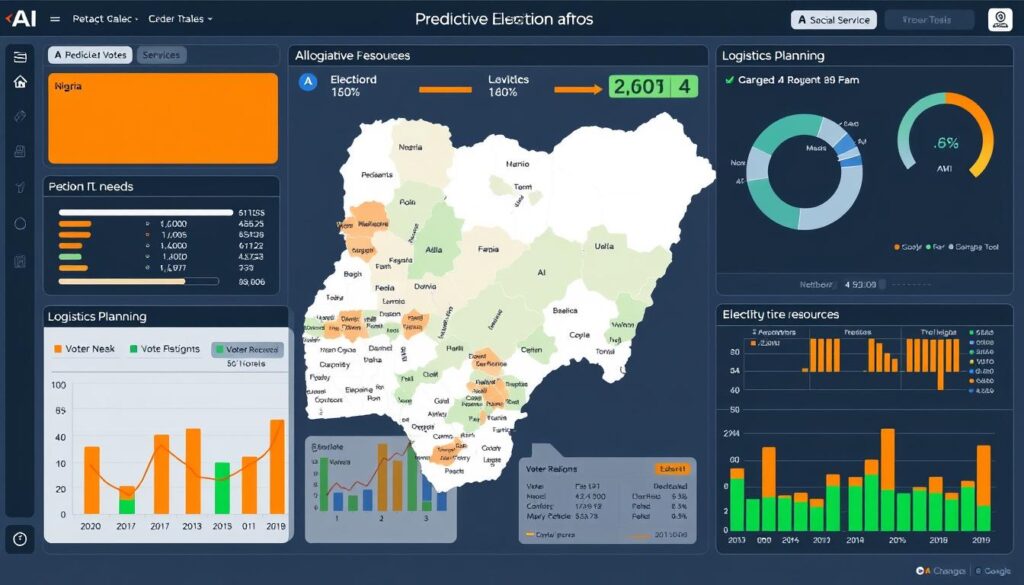
AI-powered predictive analytics can improve election operations by forecasting demand for materials and personnel. By analysing historical turnout data, demographic patterns, and logistical constraints, predictive models identify polling units at high risk of shortages or bottlenecks, enabling INEC and partners to pre-position supplies and staff.
This proactive approach reduces the likelihood of polling disruptions—such as running out of ballot papers or faulty equipment-that can otherwise disenfranchise voters and create opportunities for malpractice.
- AI challenges in Nigeria
- AI in the Nigerian retail sector
- Artificial Intelligence adoption in Nigeria
Implementation Checklist & Risk Mitigation
- Legal and regulatory clearance: Ensure AI use complies with data protection laws and election regulations; coordinate with INEC and relevant bodies.
- Pilot scope and metrics: Run limited pilots (defined geographies, measurable KPIs: accuracy, false-positive rate, response time).
- Training and capacity building: Train INEC staff, observers, and technical teams on system operation and incident response.
- Data governance: Implement strict access controls, encryption, and retention policies to protect voters’ data.
- Transparency and oversight: Publish audit trails, enable independent verification, and involve civil society in oversight.
- Fallback processes: Maintain paper-based or offline procedures to ensure continuity where technology fails.
Suggested Next Steps for Stakeholders
- INEC & electoral bodies: Define pilot objectives, success criteria, and procurement standards for AI tools.
- Tech partners: Deliver interoperable, explainable systems with clear SLAs and data-protection guarantees.
- Civil society & media: Co-design monitoring frameworks and public communication plans to strengthen accountability.
- International partners: Provide technical assistance, lessons from comparable pilots, and capacity-building resources.
Challenges and Limitations of AI Implementation in Nigeria
Despite the promise of AI to improve election security and verification, practical challenges must be addressed before broad deployment. Technical, logistical, legal, and financial constraints can limit the effectiveness of technology-driven solutions and, if unaddressed, risk creating new vulnerabilities or excluding voters.
Infrastructure and Connectivity Issues
Nigeria’s uneven power supply and limited internet connectivity, especially in rural and remote polling areas, pose significant constraints on technology-dependent election processes. Many polling units lack reliable electricity or high-bandwidth connections, which complicate real‑time result transmission and the continuous operation of devices.
Estimates from national telecom sources indicate substantial gaps in internet access across regions; these connectivity shortfalls can deepen inequalities in how AI and digital tools are applied during elections and risk disenfranchising voters in underconnected areas.
Infrastructure Challenge: During recent election cycles, real-time transmission of results was hampered in some areas by connectivity outages. Any AI deployment must include robust offline capabilities, local caching, and clear fallback procedures (paper-based verification, manual procedures, or delayed secure uploads) to ensure continuity of the voting process.
Technical Expertise and Capacity Building
Designing, implementing, and maintaining reliable AI systems requires specialised technical skills that may be limited within INEC and partner organisations. Sustainable use of AI demands investment in capacity building across all levels-national technical teams, state coordinators, and polling-unit staff.
Recommended actions include targeted training modules on system operation, incident response, and basic cybersecurity for polling officials, as well as hands-on drills using pilot systems. Partnering with universities, local tech hubs, and international experts can accelerate skills transfer and institutionalise operational knowledge.
Cost and Resource Constraints
AI tools and their supporting infrastructure require capital for development, procurement, deployment, and ongoing maintenance. In a context of competing public spending priorities, securing adequate funding for comprehensive AI integration is challenging.
Cost-benefit assessments should include not only upfront technology costs but also recurring expenses-such as training, audits, maintenance, connectivity, backup power (e.g., solar kits), and contingency logistics. Pilot programs with clearly defined budgets and success metrics can demonstrate value before larger-scale rollouts.
Prioritised Mitigations and Practical Measures
- Offline-first design: Build solutions that operate without continuous connectivity and sync securely when networks are available.
- Power resilience: Use battery backups and solar chargers at polling units to mitigate unreliable electricity.
- Fallback procedures: Maintain clear paper-based or local verification workflows to preserve voting continuity.
- Phased pilots: Start with controlled pilots to estimate costs, measure outcomes, and refine systems before national scale-up.
- Capacity partnerships: Engage local universities, tech hubs, and training organisations to deliver practical upskilling for election staff and observers.
- Budget transparency: Publish pilot budgets and performance metrics to build stakeholder confidence and attract donor or private support.
Future Prospects and Recommendations for AI Integration
To harness artificial intelligence effectively to combat election fraud in Nigeria, stakeholders should adopt a strategic, phased approach that pairs technology pilots with capacity-building, legal safeguards, and public engagement. This ensures that AI tools are introduced in a controlled, measurable way that strengthens the election process without creating undue risk.
Gradual Implementation Strategy
Rather than a one‑time overhaul, a stepwise rollout builds on existing systems such as BVAS and IReV. Each election cycle can introduce new AI capabilities while evaluating impacts, refining models, and increasing operational readiness. This incremental method helps manage technical risk, improve trust among voters, and align technology adoption with INEC capacity.
| Key AI Technologies | Expected Outcomes | ||
| Advanced biometric verification, Basic result verification algorithms | Improved voter authentication; Faster, automated checks for arithmetic and consistency | ||
| Predictive resource allocation, Misinformation detection systems (NLP) | Better logistics planning, reduced spread of fake news, and faster response to social media misinformation | ||
| Blockchain result recording (select stages), Comprehensive fraud-detection systems | Tamper-evident records for audits; Real-time fraud detection and investigative support | ||
| Full AI support across election processes, Advanced predictive analytics | More secure, transparent elections with improved operational efficiency and voter confidence |
Measurable KPIs for Each Phase
- Pilot coverage: % of polling units included in pilot rollouts.
- Accuracy targets: biometric match rates, false-positive/false-negative rates for anomaly detection.
- Uptime and resilience: target system availability during election windows.
- Response time: average time from anomaly flag to human review or remedial action.
- Audit frequency: independent audits per election cycle and public disclosure of findings.
Public-Private Partnerships and Collaboration
Successful AI deployment requires coordinated collaboration among INEC (the independent national electoral body), technology vendors, academic institutions, civil society, and international partners. Public‑private partnerships can supply technical expertise, funding for pilots, and training resources-while civil society and media provide oversight and accountability.
Stay updated on AI Analysis and trends in Nigeria.
Join our newsletter to receive the latest updates, news and analysis like this.
How AI Can Be Used to Combat Election Fraud in Nigeria
Legal and Regulatory Framework
Adopting AI responsibly requires a clear legal foundation that addresses data protection, algorithmic transparency, and accountability. Nigeria’s Data Protection Act and electoral laws should be reviewed to ensure explicit provisions cover the use and retention of biometric and electoral data, set limits on their retention, establish consent standards, and provide for independent oversight of algorithmic decisions.
Recommended actions: craft deployment guidelines, require third‑party audits of AI tools, mandate explainability standards for critical systems, and publish privacy impact assessments for electoral AI deployments.
Ethical Considerations and Data Privacy in AI-Enhanced Elections
As Nigeria pilots and scales artificial intelligence for election security, ethical safeguards and strong data-protection practices are prerequisites for public acceptance and democratic legitimacy. Without explicit protections, voters may distrust systems designed to improve transparency and outcomes.
Data Protection and Voter Privacy
AI election systems rely on sensitive voter data, including biometric templates and personal identifiers. Robust protections-strict access controls, end-to-end encryption, role-based permissions, and clear retention and deletion policies-are essential to prevent unauthorised use, breaches, or mission creep.
Nigeria’s Data Protection Act 2023 provides a legal foundation for personal data safeguards; electoral deployments should build on that framework with specific protocols tailored to biometric and election datasets (for example, data minimisation, purpose limitation, and documented consent where appropriate).
Benefits of AI in Elections
- Improved fraud detection and faster anomaly identification
- Reduced human error in collation and verification processes
- Greater transparency and verifiability when systems publish audit trails
- More efficient allocation of materials and personnel through predictive tools
- Faster detection and mitigation of misinformation on media and social platforms
Ethical Concerns
- Potential privacy intrusions if biometric or personal data are mishandled
- Risk of algorithmic bias that could disproportionately affect certain voter groups
- Digital divide risks that may exclude some voters or regions from benefits
- Over-reliance on technology without robust manual fallbacks
- Exposure to sophisticated cyberattacks if security is inadequate
Algorithmic Transparency and Accountability
The “black box” challenge-where AI decisions are difficult to interpret—undermines trust if stakeholders cannot understand how systems reach conclusions that affect voting, registration, or results. To address this, adopt explainable AI practices, require independent third‑party audits, and publish non-sensitive model documentation and performance metrics.
Practical measures include algorithmic impact assessments, open-source or auditable model components for critical functions, and independent oversight bodies that review models for fairness and accuracy before and after election cycles.
Inclusion and Accessibility
AI must not create new barriers to participation. Systems should be designed with accessibility in mind-multi-language support, voice and SMS interfaces for low-connectivity areas, and accommodation for persons with disabilities and elderly voters. Alternatively, non-digital processes must remain available to ensure that no eligible voter is disenfranchised by technology.
Ethical Deployment Checklist
- Conduct privacy and data protection impact assessments before deployment.
- Apply the data minimisation and purpose limitation principles to all electoral datasets.
- Require independent security and fairness audits of AI systems.
- Implement differential privacy or federated learning where possible to reduce exposure of central data.
- Publish transparency reports and allow civil society access to non-sensitive system metrics.
- Develop inclusive user interfaces and maintain robust manual fallbacks.
Conclusion: Toward a More Secure Electoral Future
Artificial intelligence presents practical opportunities to reduce election fraud in Nigeria by strengthening verification, speeding anomaly detection, and improving the transparency of result reporting. From AI‑enhanced biometric checks to automated result verification and misinformation detection, these technologies can deliver measurable improvements in election operations and outcomes when deployed responsibly.
Successful adoption depends on tailoring technology to Nigeria’s context: addressing infrastructure and connectivity gaps, investing in training and local capacity, ensuring strong legal protections for voter data, and instituting independent oversight. A phased roadmap (see Future Prospects) with clear KPIs and pilot evaluations will help translate technical promise into verifiable improvements in trust and results.
How AI Can Be Used to Combat Election Fraud in Nigeria

AI Writer
Bio: Joseph Michael is an MBA graduate in Marketing from Ladoke Akintola University of Technology and a passionate tech enthusiast. As a professional writer and author at AIbase.ng, he simplifies complex AI concepts, explores digital innovation, and creates practical guides for Nigerian learners and businesses. With a background in marketing and brand communication, Joseph brings clarity, insight, and real-world relevance to every article he writes.