

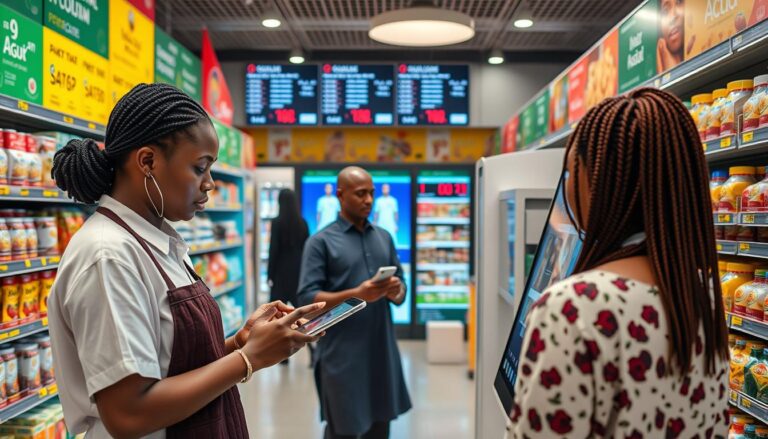
Key AI Use Cases Transforming Nigeria’s Retail Sector
Artificial intelligence is no longer just for global retail giants. Nigerian retailers of all sizes are finding practical applications that address their specific challenges. Here are the most impactful use cases currently being implemented across the country:
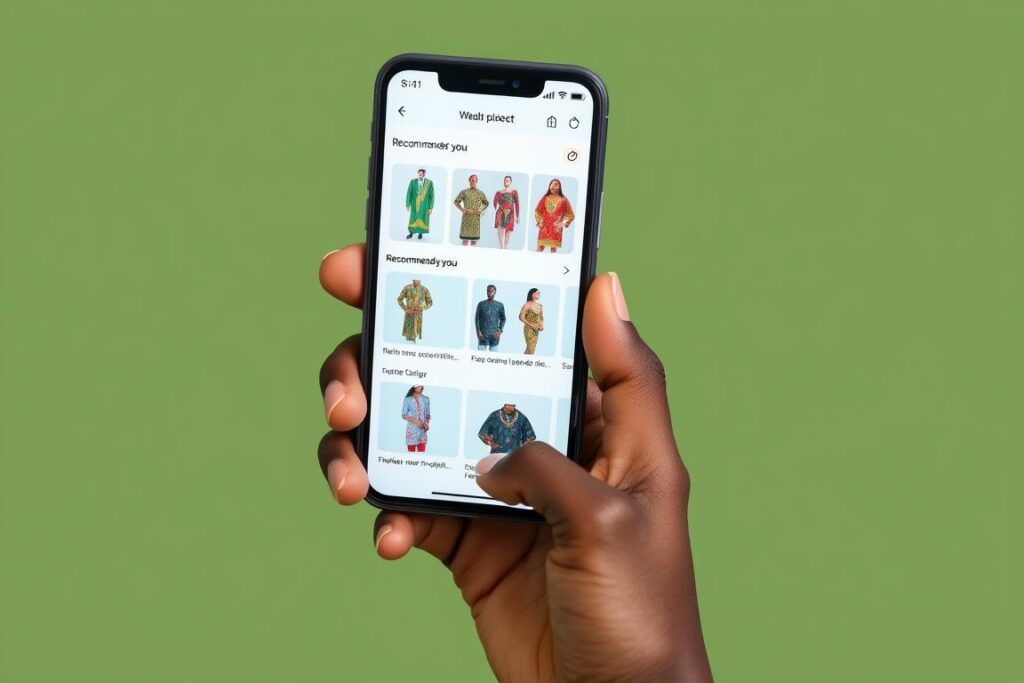
Personalized Product Recommendations & Marketing
AI-powered recommendation engines analyze customer purchase history, browsing behavior, and demographic information to suggest relevant products. Nigerian retailers implementing these systems report conversion rate increases of 8-12% and average order value improvements of 15-20%. For example, a Lagos-based fashion retailer saw a 22% increase in repeat purchases after implementing AI-driven personalized email campaigns.
AI-Powered Chatbots & Virtual Assistants
WhatsApp-integrated chatbots are revolutionizing customer service for Nigerian retailers. These AI assistants handle product inquiries, order status updates, and simple troubleshooting 24/7, reducing customer service costs by up to 30%. A major Nigerian supermarket chain implemented WhatsApp chatbots and now handles 65% of customer queries automatically, with 92% customer satisfaction rates.
Inventory Management & Demand Forecasting
AI algorithms analyze historical sales data, seasonal trends, and external factors to predict demand with up to 85% accuracy. Nigerian retailers using these systems report stockout reductions of 20-30% and inventory carrying cost savings of 15-25%. A grocery chain in Abuja implemented AI forecasting and reduced food waste by 32% while improving product availability.

Dynamic Pricing & Promotions
AI systems analyze market conditions, competitor pricing, and customer behavior to optimize pricing strategies. Nigerian e-commerce platforms using dynamic pricing report margin improvements of 5-8% and sales volume increases during promotional periods. A Nigerian electronics retailer implemented AI-driven pricing and saw a 12% revenue increase within three months.

Supply Chain & Logistics Optimization
AI-powered route optimization and delivery scheduling help overcome Nigeria’s transportation challenges. Retailers using these systems report delivery time reductions of 20-35% and transportation cost savings of 15-30%. A Lagos-based retailer implemented AI logistics and reduced delivery times from 48 hours to 18 hours while cutting fuel costs by 22%.

Customer Behavior Analytics
AI tools analyze purchase patterns, in-store movement, and online browsing behavior to uncover customer preferences. Nigerian retailers using these insights report 10-15% improvements in merchandising effectiveness and 18-25% increases in promotion response rates. A retail chain in Port Harcourt reorganized store layouts based on AI analysis and saw a 17% increase in per-visit spending.

Fraud Detection & Risk Management
Machine learning algorithms identify suspicious transaction patterns and prevent fraud in real-time. Nigerian online retailers using AI fraud detection report 40-60% reductions in fraudulent transactions and 15-25% decreases in false positives. A Nigerian fashion e-commerce platform implemented AI security and reduced payment fraud by 52% while improving legitimate transaction approval rates.

Omnichannel Integration
AI systems unify customer data across physical stores, websites, and mobile apps to create seamless shopping experiences. Nigerian retailers with AI-powered omnichannel strategies report 20-30% increases in cross-channel purchases and 15-25% improvements in customer retention. A Nigerian department store chain implemented omnichannel AI and saw a 28% increase in customers who shop both online and in-store.

Benefits of AI Adoption for Nigerian Retailers
The strategic implementation of AI technologies delivers measurable advantages for retailers across Nigeria’s diverse market landscape:
Enhanced Customer Experience
AI-powered personalization and efficient service create more satisfying shopping journeys. Nigerian retailers report customer satisfaction improvements of 15-30% after implementing AI solutions. Customers benefit from relevant recommendations, faster service, and more consistent experiences across channels.
Operational Cost Reduction
Automation and predictive capabilities reduce waste and optimize resources. Nigerian retailers using AI report operational cost reductions of 10-25% through improved inventory management, reduced returns, and more efficient staffing. These savings directly impact bottom-line performance.
Increased Revenue Performance
AI-driven insights lead to better merchandising, pricing, and marketing decisions. Nigerian retailers implementing AI report revenue increases of 8-20% through improved conversion rates, higher average order values, and more effective promotions targeting the right customers at the right time.
Competitive Edge for SMEs
Cloud-based AI solutions level the playing field for smaller retailers. Nigerian SMEs using accessible AI tools report competing more effectively with larger chains by offering personalized service and efficient operations despite smaller budgets and teams.
Scalability and Growth
AI systems scale more efficiently than traditional approaches. Nigerian retailers using AI report handling 30-50% more transactions and customer interactions without proportional increases in staff or infrastructure, enabling sustainable growth.
Data-Driven Decision Making
AI transforms raw data into actionable insights. Nigerian retailers implementing analytics report making more confident decisions about inventory, pricing, and marketing based on predictive models rather than intuition alone, reducing costly mistakes.
Stay updated on AI Analysis and trends in Nigeria
Join our newsletter to receive the latest updates, news and analysis like this.
Challenges in Adopting AI for Nigeria’s Retail Sector
Despite the compelling benefits, Nigerian retailers face several obstacles when implementing AI solutions:
Implementation Challenges
- Infrastructure gaps: Unreliable power supply and internet connectivity disrupt AI systems
- High initial costs: Hardware, software, and implementation expenses create barriers for smaller retailers
- Skills shortage: Limited local expertise in AI implementation and maintenance
- Data quality issues: Incomplete or inconsistent data undermines AI effectiveness
- Integration difficulties: Legacy systems often resist connection with modern AI platforms
- Digital divide: Uneven adoption creates competitive imbalances between urban and rural retailers

Data Privacy and Security Concerns
Nigerian retailers must navigate evolving regulations around customer data. The Nigeria Data Protection Regulation (NDPR) imposes significant requirements on data collection and processing. Retailers report concerns about compliance costs and potential penalties, while customers increasingly question how their information is used for AI applications.
Workforce Transformation Challenges
AI implementation often requires significant changes to staff roles and responsibilities. Nigerian retailers report employee resistance when introducing AI systems, with concerns about job displacement. Successful implementations include comprehensive training programs and clear communication about how AI augments rather than replaces human workers.
Ethical Considerations
AI systems can perpetuate biases or create unfair advantages. Nigerian retailers must consider the ethical implications of automated decision-making, particularly in pricing, credit approval, and marketing targeting. Transparent AI practices build customer trust and reduce regulatory risks in Nigeria’s evolving digital landscape.
Practical Recommendations for Nigerian Retailers
Based on successful implementations across Nigeria’s retail sector, here are actionable strategies for effective AI adoption:
Start with High-Impact, Low-Risk Applications
Begin your AI journey with applications that deliver quick wins and build momentum:
- WhatsApp chatbots for customer service
- Basic inventory forecasting for top-selling items
- Simple product recommendation engines
- Social media sentiment analysis
Invest in Infrastructure Foundations
Create reliable systems that can support AI applications:
- Power backup solutions for critical systems
- Hybrid cloud/on-premises architecture
- Offline-capable applications that sync when connected
- Data cleansing and standardization processes
Build Skills and Capacity
Develop the human capabilities needed for AI success:
- Train existing staff on AI fundamentals
- Partner with local universities for talent
- Create clear roles for AI oversight
- Establish centers of excellence to share knowledge

Phased Implementation Approach
A structured, incremental approach to AI adoption has proven most successful for Nigerian retailers:
| Phase | Focus Areas | Timeline | Expected Outcomes |
| Foundation | Data collection, cleaning, basic analytics | 3-6 months | Clean data repository, basic insights, staff familiarity |
| Initial Applications | Customer service chatbots, basic forecasting | 6-9 months | 20-30% reduction in service costs, 15% improvement in stock availability |
| Expansion | Personalization, dynamic pricing, advanced inventory | 9-18 months | 10-15% revenue increase, 20% operational efficiency improvement |
| Integration | Omnichannel, supply chain optimization, advanced analytics | 18-36 months | Fully integrated AI ecosystem, 25-35% overall performance improvement |
Partner Selection Criteria
Choosing the right technology partners is critical for Nigerian retailers implementing AI:
- Local presence or strong understanding of Nigerian retail context
- Experience with similar-sized retailers in emerging markets
- Solutions designed for infrastructure challenges (offline capability, low bandwidth options)
- Flexible pricing models that align with business growth
- Strong training and support capabilities
- Compliance with Nigerian data protection regulations

Success Stories: AI in Nigerian Retail
These real-world examples demonstrate how Nigerian retailers are successfully leveraging AI technologies:

Leading Supermarket Chain
A major Nigerian supermarket chain implemented AI-powered inventory management across 23 locations. The system analyzes 3 years of historical sales data, weather patterns, and local events to predict demand with 83% accuracy.
Results: 32% reduction in stockouts, 28% decrease in food waste, and 18% improvement in gross margins within 12 months. The company recouped its investment within 9 months.
Fashion Retailer
A Lagos-based fashion retailer with both physical and online presence implemented AI-driven personalization across all channels. The system creates individualized recommendations based on purchase history, browsing behavior, and style preferences.
Results: 24% increase in average order value, 31% improvement in email campaign conversion rates, and 22% growth in repeat purchases within 6 months.
Electronics Retailer
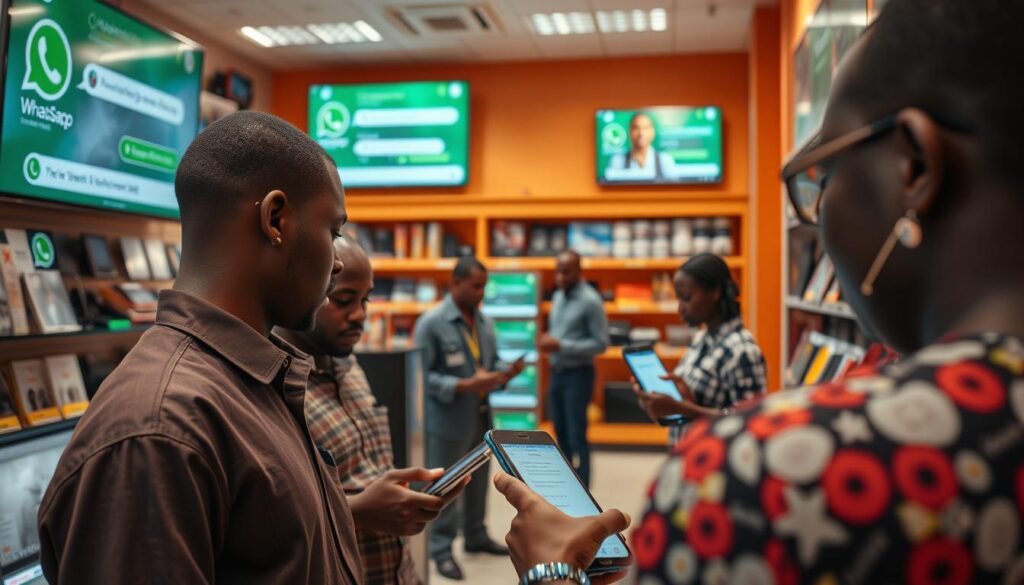
A Nigerian electronics retailer implemented AI-powered chatbots across WhatsApp, their website, and Facebook. The system handles product inquiries, troubleshooting, and order status updates in English and three local languages.
Results: 65% of customer inquiries now handled automatically, 42% reduction in customer service costs, and 18% improvement in customer satisfaction scores. Response times decreased from hours to seconds.
Stay updated on AI Analysis and trends in Nigeria
Join our newsletter to receive the latest updates, news and analysis like this.
Getting Started: Your AI Implementation Roadmap
Follow these steps to begin your AI journey in Nigeria’s retail environment:
- Assess Your ReadinessEvaluate your current systems, data quality, infrastructure, and team capabilities. Identify gaps that need addressing before AI implementation.
- Define Clear ObjectivesEstablish specific, measurable goals for your AI initiatives. Focus on business outcomes rather than technology implementation.
- Start with Data FoundationsEnsure you have clean, consistent data across your operations. Implement data governance practices to maintain quality.
- Select a Pilot ProjectChoose a contained, high-impact area for your first AI implementation. Customer service chatbots and basic inventory forecasting are good starting points.
- Choose Appropriate PartnersSelect technology providers with experience in Nigeria’s retail environment and solutions designed for local conditions.
- Implement and MeasureDeploy your pilot project with clear KPIs. Measure results against your baseline to demonstrate value.
- Train Your TeamInvest in upskilling staff to work effectively with AI systems. Focus on both technical and business application skills.
- Scale Successful InitiativesOnce you’ve proven value, expand successful AI applications across more products, locations, or business functions.
“The retailers succeeding with AI in Nigeria aren’t necessarily those with the biggest budgets, but those who take a thoughtful, phased approach focused on solving specific business problems.”
Essential Resources for Nigerian Retailers
What is the minimum investment needed to start with AI in retail?
Entry-level AI implementations can start from ₦500,000-₦2,000,000 for cloud-based solutions like basic chatbots or inventory forecasting. Many providers offer subscription models that reduce upfront costs. Start with a single use case that addresses a specific pain point to demonstrate ROI before expanding.
How can small retailers compete with larger chains in AI adoption?
Small retailers can leverage cloud-based, pay-as-you-go AI solutions that don’t require significant infrastructure. Focus on specific high-impact areas like WhatsApp chatbots or basic inventory optimization. Consider joining retail cooperatives to share AI implementation costs and expertise. Many Nigerian tech startups offer affordable AI solutions specifically designed for SMEs.
What data privacy regulations must Nigerian retailers consider?
Nigerian retailers must comply with the Nigeria Data Protection Regulation (NDPR), which requires consent for data collection, purpose limitation, data security measures, and breach notification. Retailers processing large volumes of personal data must conduct Data Protection Impact Assessments and register with the Nigeria Data Protection Commission. Non-compliance can result in penalties up to 2% of annual gross revenue.
How can retailers address power and connectivity challenges?
Implement hybrid solutions with offline capabilities that sync when connectivity is available. Invest in power backup systems for critical AI infrastructure. Consider edge computing solutions that process data locally to reduce dependence on constant connectivity. Many Nigerian-focused AI providers have designed their solutions with these infrastructure challenges in mind.
Recommended Technology Partners
These companies offer AI solutions specifically designed for Nigeria’s retail environment:
Inventory & Supply Chain
- TradeDepot – Inventory management with AI forecasting
- Kobo360 – AI-powered logistics optimization
- Field Intelligence – Predictive inventory for pharmacies
Customer Experience
- Termii – AI-powered messaging and chatbots
- Voyance – Customer analytics and personalization
- HelpMum – Multilingual chatbot platforms
Business Intelligence
- Indicina – AI-powered business analytics
- Curacel – Fraud detection and risk management
- Seamfix – Data collection and management
Stay updated on AI Analysis and trends in Nigeria
Join our newsletter to receive the latest updates, news and analysis like this.
Final thoughts
The Future of AI in Nigeria’s Retail Sector
Artificial intelligence is transforming Nigeria’s retail landscape, offering solutions to longstanding challenges in inventory management, customer service, and operational efficiency. While implementation barriers exist—from infrastructure limitations to skills gaps-retailers who take a strategic, phased approach are seeing significant returns on their AI investments.
The most successful implementations start with clear business objectives, focus on high-impact use cases, and build both technological and human capabilities in parallel. As AI technologies become more accessible and adapted to Nigeria’s unique context, even smaller retailers can leverage these tools to compete effectively.
For Nigerian retail leaders, the question is no longer whether to adopt AI, but how to implement it strategically to create sustainable competitive advantages. Those who move forward thoughtfully now will be best positioned to thrive in an increasingly digital retail environment.

Senior Reporter/Editor
Bio: Ugochukwu is a freelance journalist and Editor at AIbase.ng, with a strong professional focus on investigative reporting. He holds a degree in Mass Communication and brings extensive experience in news gathering, reporting, and editorial writing. With over a decade of active engagement across diverse news outlets, he contributes in-depth analytical, practical, and expository articles exploring artificial intelligence and its real-world impact. His seasoned newsroom experience and well-established information networks provide AIbase.ng with credible, timely, and high-quality coverage of emerging AI developments.