

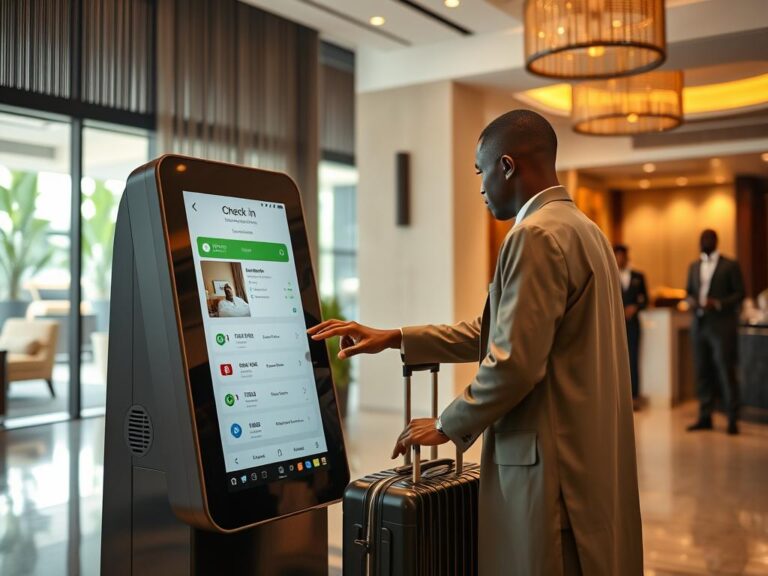
AI technologies are transforming guest experiences in Nigeria’s hospitality sector.
This comprehensive guide explores how AI is reshaping Nigeria’s hospitality landscape, examining practical applications, benefits, challenges, and implementation strategies. From AI-powered chatbots and dynamic pricing to predictive maintenance and personalised marketing, we’ll uncover how these technologies are helping Nigerian hotels, resorts, and restaurants deliver exceptional service while optimising operations and controlling costs.
Nigeria’s Hospitality Industry: Market Size and Growth Trajectory
Nigeria’s hospitality sector is experiencing significant growth despite economic challenges. Currently valued at approximately $1.8 billion, the industry is projected to reach US$2.61 billion by 2029, driven by increasing domestic tourism, rising hotel investment, and growth in short-stay properties. As of 2025, Nigeria ranks among the top countries in Africa for hotel development pipeline, with numerous new hotels and rooms under construction.
However, the sector continues to face structural challenges that impact profitability and service quality. These include:
- Persistent power supply issues require costly generator backup systems
- Poor road infrastructure is affecting accessibility to tourist destinations
- High operating costs are cutting into profit margins
- Uneven service quality across different establishments
- Shortage of well-trained hospitality personnel
- Security concerns in certain regions
- Limited technology adoption compared to global standards
- Increasing competition from international hotel chains
These challenges create a compelling case for AI adoption. As the sector grows and competition intensifies, AI offers Nigerian hospitality businesses a way to modernise services, increase operational efficiency, and enhance customer satisfaction while addressing many of these structural challenges.
AI Chatbots & Virtual Assistants: Revolutionising Guest Communication
AI-powered chatbots and virtual assistants are transforming how Nigerian hotels communicate with guests. These intelligent systems provide 24/7 customer support, handling everything from booking inquiries and check-in assistance to answering FAQs and addressing basic guest needs. This technology is particularly valuable in Nigeria’s hospitality context, where staffing challenges and high operational costs are persistent issues.
“A 2025 study of selected hotels in Southwest Nigeria found that AI adoption (chatbots/virtual assistants) significantly improved operational efficiency and guest satisfaction, with response times decreasing by up to 78% and guest satisfaction scores increasing by 23%.”
Key Benefits of AI Chatbots in Nigerian Hotels
24/7 Multilingual Support
AI chatbots can communicate in multiple Nigerian languages (English, Yoruba, Hausa, Igbo) and international languages, breaking down communication barriers with diverse guests.
Reduced Staffing Pressure
By handling routine inquiries and requests, chatbots allow Nigerian hotels to operate efficiently despite staffing challenges, enabling human staff to focus on complex guest interactions.
Consistent Service Quality
AI chatbots deliver consistent responses regardless of time or day, helping Nigerian hotels maintain service standards even during peak periods or staff shortages.
Real-World Implementation
Several Nigerian hotels have already implemented AI chatbots with promising results. For example, a leading hotel chain in Lagos deployed a WhatsApp-based AI assistant that handles booking inquiries, room service orders, and concierge requests. The system processes over 70% of guest inquiries automatically, with complex requests seamlessly transferred to human staff. This implementation has reduced response times from an average of 15 minutes to under 30 seconds, significantly enhancing guest satisfaction.
Stay updated on AI Analysis and trends in Nigeria.
Join our newsletter to receive the latest updates, news and analysis like this.
Subscribe Now
Automated Dynamic Pricing & Revenue Management

AI-driven dynamic pricing and revenue management systems are transforming how Nigerian hospitality businesses optimise their pricing strategies. These intelligent systems analyse vast amounts of data—including historical booking patterns, competitor prices, seasonality, local events, and real-time demand—to automatically adjust room rates and service pricing for maximum revenue.
How AI Dynamic Pricing Works in the Nigerian Context
For Nigerian hotels, AI dynamic pricing systems can be particularly valuable due to the market’s unique characteristics:
- Automatically adjusts rates during high-demand periods like festivals, conferences, and holidays
- Accounts for local economic factors and currency fluctuations
- Analyses competitor pricing across both local and international booking platforms
- Identifies optimal pricing for different room categories and packages
- Forecasts demand patterns specific to Nigerian travel behaviours
A case study from a mid-sized hotel in Abuja revealed that implementing AI-driven dynamic pricing increased their RevPAR (Revenue Per Available Room) by 18% within the first three months. The system was particularly effective during major events and conferences, where it identified optimal pricing points that human revenue managers had previously missed.
Key Performance Indicators After AI Dynamic Pricing Implementation
- Average RevPAR increase: 15-22%
- Occupancy rate improvement: 8-12%
- Revenue forecasting accuracy: 92%
- Staff time saved on pricing decisions: 15-20 hours/week
- Pricing update frequency: Real-time vs. once daily
- Return on investment: 3-6 months
For Nigerian hospitality businesses operating with thin margins and facing high operational costs, AI-driven pricing optimisation represents a significant opportunity to improve profitability without increasing fixed costs.
Stay updated on AI Analysis and trends in Nigeria.
Join our newsletter to receive the latest updates, news and analysis like this.
Predictive Maintenance & Facility Management
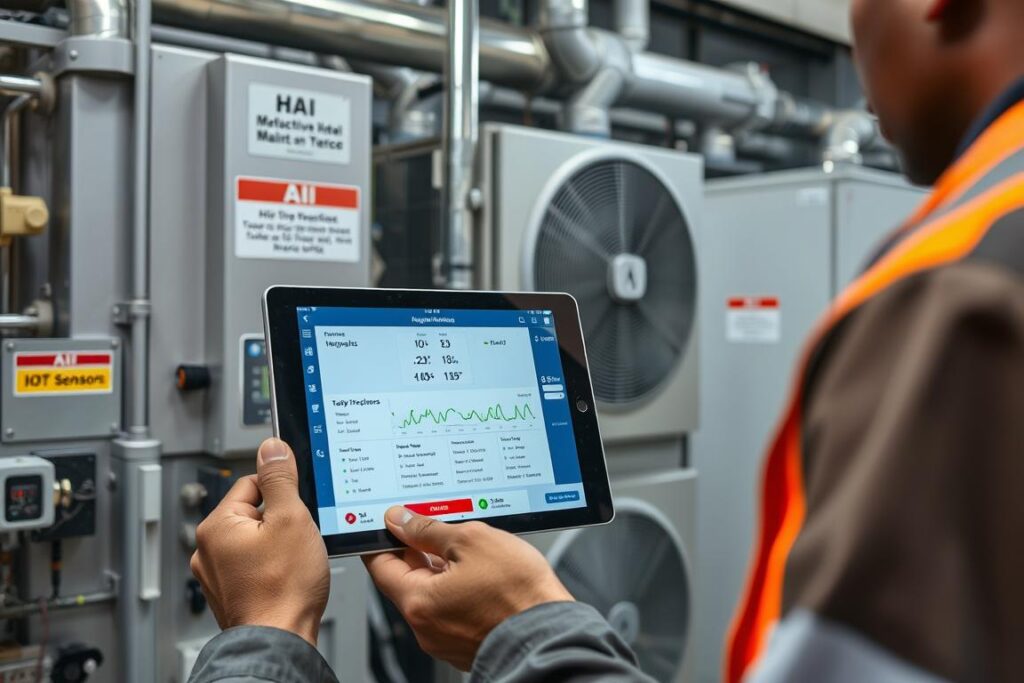
In Nigeria’s hospitality sector, where power fluctuations and infrastructure challenges are common, AI-powered predictive maintenance offers a game-changing approach to facility management. These systems use IoT sensors, machine learning algorithms, and real-time monitoring to anticipate equipment failures before they occur, schedule preventive maintenance, and optimise energy usage.
Critical Applications in Nigerian Hospitality Context
Power Systems Management
AI monitors generator performance, predicts fuel consumption, and optimises switching between grid and backup power to reduce costs and prevent outages during guest stays.
HVAC Optimization
Intelligent systems monitor air conditioning performance in Nigeria’s hot climate, predicting failures and optimising energy usage while maintaining guest comfort.
Water Systems Monitoring
AI detects potential issues in water supply systems, pumps, and treatment facilities—critical in locations with inconsistent municipal water supply.
A luxury hotel in Lagos implemented an AI-powered predictive maintenance system for its HVAC and power generation equipment. Within the first year, they reported a 30% reduction in emergency repairs, 20% energy savings, and significantly fewer guest complaints about comfort issues. The system paid for itself within 8 months through reduced repair costs and energy savings.
| Maintenance Metric | Before AI Implementation | After AI Implementation | Improvement |
| Emergency Repairs (monthly) | 12-15 | 3-5 | ~70% reduction |
| Average Repair Cost | ₦450,000 | ₦180,000 | 60% reduction |
| Equipment Downtime | 48-72 hours | 8-12 hours | ~85% reduction |
| Energy Consumption | 100% baseline | 80% of baseline | 20% reduction |
| Maintenance Staff Efficiency | 60% productive time | 85% productive time | 42% improvement |
For Nigerian hospitality businesses facing high energy costs and frequent equipment failures due to power fluctuations, predictive maintenance is one of the most immediately valuable AI applications with a clear return on investment.
Personalised Guest Experience & Marketing

AI is revolutionising how Nigerian hospitality businesses understand and cater to their guests. By analysing guest data, including past stays, preferences, spending patterns, and demographic information, AI systems can create highly personalised experiences that increase satisfaction, loyalty, and revenue per guest.
Personalisation Opportunities in Nigerian Hospitality
- Customised room setups based on previous preferences (temperature, pillow type, amenities)
- Personalised food and beverage recommendations reflecting dietary preferences and past orders
- Tailored activity suggestions based on interests and previous bookings
- Targeted promotions and offers based on spending patterns and preferences
- Customised communication in the preferred language and channel (email, WhatsApp, SMS)
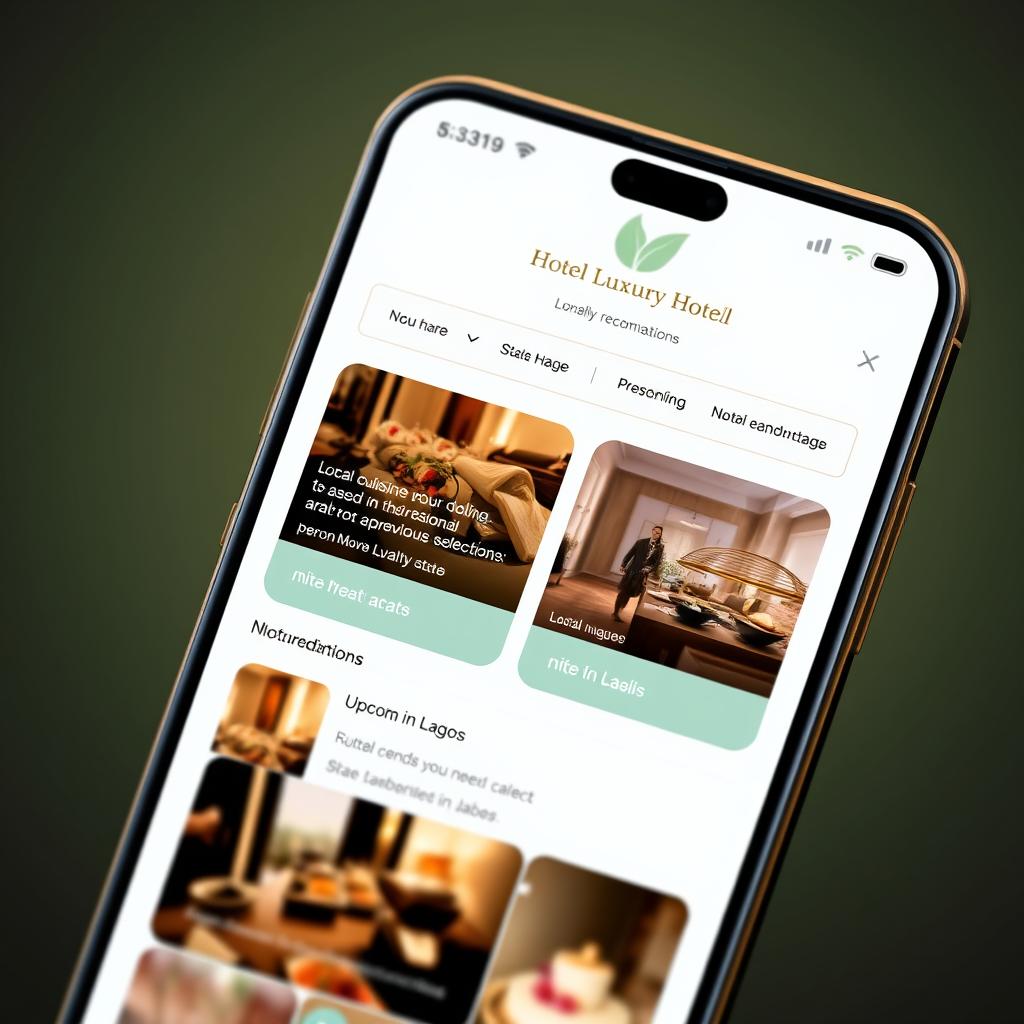
A boutique hotel in Lagos implemented an AI-driven personalisation system that analyses guest data to create tailored experiences. When returning guests make reservations, the system automatically notifies staff about their preferences-from room temperature settings to favourite beverages. It also generates personalised marketing offers based on past behaviour. After implementation, the hotel reported a 22% increase in repeat bookings and a 15% rise in ancillary revenue from personalised offers.
“Our AI personalisation system has transformed how we engage with guests. Nigerian travellers particularly appreciate the personalised touches that acknowledge their preferences without them having to communicate them repeatedly. This has significantly improved our guest satisfaction scores and repeat business.”
AI-Driven Marketing Personalisation
Beyond in-stay experiences, AI is helping Nigerian hospitality businesses create highly targeted marketing campaigns. These systems analyse guest data to identify patterns and preferences, then automatically generate personalised offers that are more likely to convert. For example, a hotel in Abuja uses AI to analyse guest booking patterns and automatically sends personalised weekend getaway packages to business travellers who frequently stay during weekdays.
Automated Contactless Check-in & Smart Concierge

Contactless check-in and innovative concierge technologies are gaining traction in Nigeria’s hospitality sector, offering guests greater convenience while helping properties operate more efficiently with limited staff. These AI-powered systems enable self-service check-in/out via kiosks or mobile apps, digital room keys, and virtual assistants that can handle a wide range of guest requests.
Key Components of Contactless Systems in Nigerian Hotels
Mobile Check-in
Guests complete check-in on their smartphones before arrival, reducing front desk congestion and waiting times, particularly valuable during busy periods at Nigerian hotels.
Digital Key Access
Room access via smartphone eliminates the need for physical key cards, reducing plastic waste and allowing guests to bypass the front desk entirely—especially convenient after long journeys.
AI Concierge
Virtual assistants available via in-room tablets or guest smartphones provide information, process requests, and offer recommendations in multiple languages.
A major hotel chain with properties in Lagos, Abuja, and Port Harcourt implemented a comprehensive contactless system in 2024. The system includes mobile check-in, digital keys, and an AI concierge accessible via WhatsApp. Within six months of implementation, they reported a 40% reduction in check-in times, a 25% decrease in front-desk staffing requirements, and a 30% increase in positive reviews that specifically mentioned the convenient arrival experience.
Implementation Considerations for the Nigerian Market
While contactless technology offers significant benefits, implementation in the Nigerian context requires careful consideration of several factors:
Advantages
- Reduces staffing pressure in a market with hospitality skills shortages
- Minimises physical contact, addressing health concerns
- Appeals to tech-savvy Nigerian travellers and international guests
- Improves operational efficiency and reduces human error
- Collects valuable guest data for personalisation and marketing
Challenges
- Requires reliable internet connectivity and power supply
- Initial implementation costs can be significant
- May require staff retraining and role redefinition
- Some guests may prefer traditional human interaction
- Data security and privacy concerns must be addressed
For Nigerian hospitality businesses considering contactless technology, a phased implementation approach is often most effective. Starting with mobile check-in and gradually adding digital keys and AI concierge capabilities allows for staff and guest adaptation while spreading out investment costs.
Customer Feedback Analysis & Service Quality Monitoring
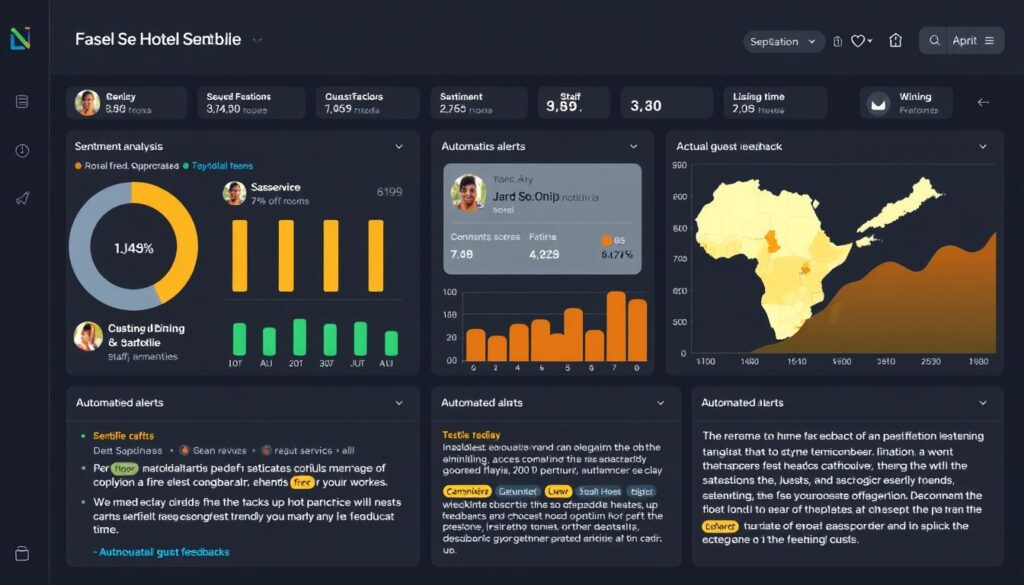
AI-powered feedback analysis is transforming how Nigerian hospitality businesses understand and respond to guest sentiments. These systems automatically collect, analyse, and categorise feedback from multiple sources-including online reviews, social media, direct surveys, and in-stay comments—to identify patterns, detect emerging issues, and highlight opportunities for service improvement.
How AI Feedback Analysis Works
AI feedback systems use natural language processing (NLP) and sentiment analysis to understand the meaning and emotional tone behind guest comments. For Nigerian hospitality businesses, these systems can be particularly valuable for:
- Analysing feedback across multiple languages, common in Nigeria, and from international guests
- Identifying specific service areas receiving positive or negative mentions
- Tracking sentiment trends over time to measure improvement initiatives
- Comparing performance against competitors in the same market
- Alerting management to urgent issues requiring immediate attention
- Recognising staff members who are frequently mentioned positively in reviews
- Uncovering hidden patterns in feedback that might be missed by manual analysis
- Generating automated responses to reviews based on content and sentiment
A hotel group with properties across Nigeria implemented an AI feedback analysis system that monitors reviews across 12 platforms, including local Nigerian review sites and international booking platforms. The system automatically categorises feedback by department, sentiment, and specific topics. Within three months, they identified that water pressure issues were mentioned in 28% of negative reviews—a pattern that wasn’t obvious from manual review monitoring. After addressing this specific issue, their overall satisfaction scores improved by 15%.
| Feedback Category | Sentiment Before AI Analysis | Sentiment After Targeted Improvements | Improvement |
| Room Comfort | 72% Positive | 88% Positive | +16% |
| Staff Service | 81% Positive | 89% Positive | +8% |
| Facilities | 65% Positive | 82% Positive | +17% |
| Value for Money | 58% Positive | 76% Positive | +18% |
| Overall Experience | 70% Positive | 85% Positive | +15% |
“The AI feedback analysis system revealed patterns we simply couldn’t see when manually reviewing comments. It helped us prioritise improvements that had the biggest impact on guest satisfaction, particularly for our international guests who have different expectations than our local Nigerian clientele.”
Staff Scheduling & Operational Efficiency
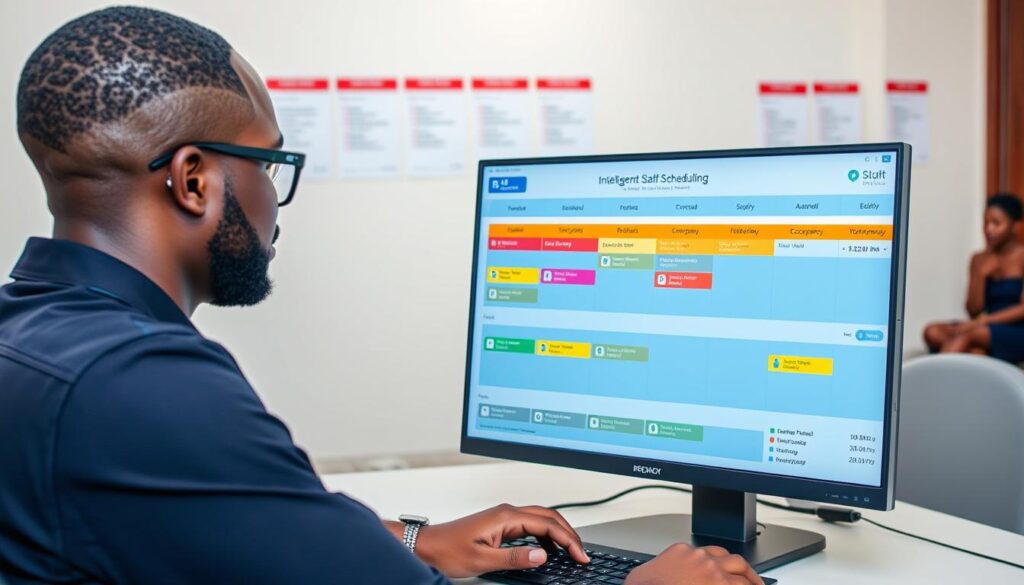
AI-powered staff scheduling and operational management systems are helping Nigerian hospitality businesses optimise their workforce deployment, reduce labour costs, and improve service quality. These intelligent systems analyse historical data, booking patterns, and real-time information to predict staffing needs and create optimal schedules that match staff availability with anticipated demand.
Key Capabilities for Nigerian Hospitality Operations
Demand Forecasting
AI analyses historical data, bookings, local events, and seasonality to predict staffing requirements across different departments and time periods.
Intelligent Scheduling
Automated systems create optimal staff schedules considering predicted demand, employee skills, availability, and labour regulations.
Real-time Adjustments
AI continuously monitors actual conditions and recommends schedule adjustments when unexpected situations arise, such as sudden increases in bookings.
A resort in Calabar implemented an AI-powered staff scheduling system to address challenges with over- and understaffing during fluctuating demand periods. The system analyses historical occupancy data, current bookings, local events, and weather forecasts to predict staffing needs across all departments. After six months of implementation, the resort reported a 12% reduction in labour costs, an 18% decrease in overtime expenses, and improved staff satisfaction due to more consistent, fairer scheduling.
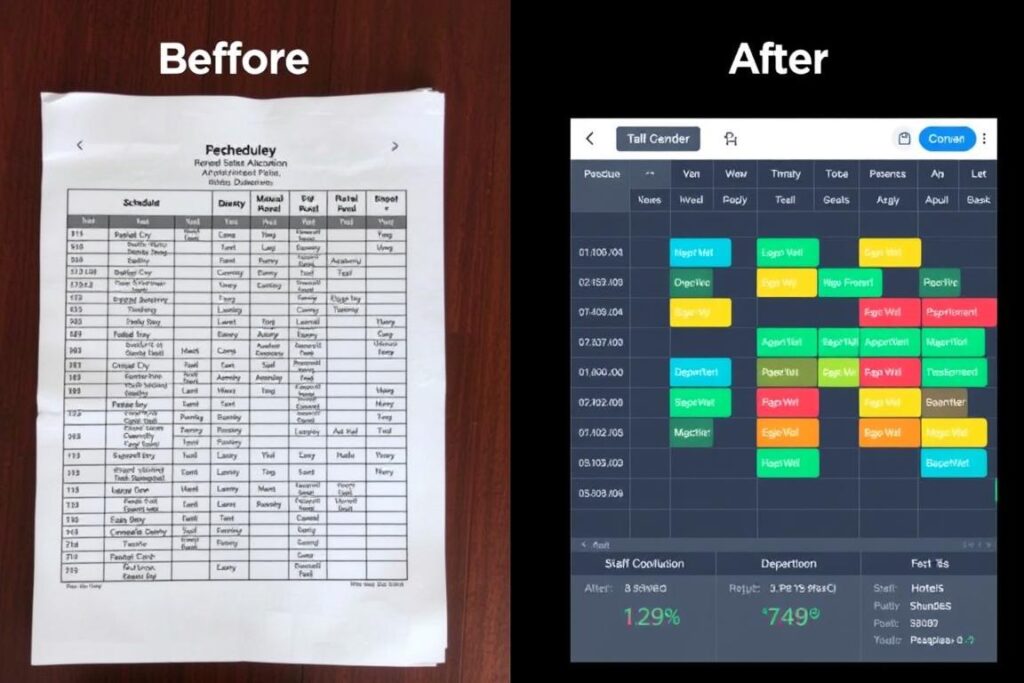
Possible Implementation Benefits for Nigerian Hotels
| Operational Metric | Average Improvement | Business Impact |
| Labour Cost Reduction | 10-15% | Significant savings in a high-cost operating environment |
| Overtime Reduction | 15-20% | Lower expenses and improved staff well-being |
| Schedule Creation Time | 75-85% reduction | Managers can focus on guest service and team development |
| Staff Satisfaction | 25-30% increase | Lower turnover and improved service quality |
| Service Level Adherence | 20-25% improvement | Consistent guest experience even during peak periods |
For Nigerian hospitality businesses facing staffing challenges and fluctuating demand, AI-powered scheduling offers a practical solution that delivers immediate operational benefits while improving guest and employee satisfaction.
Stay updated on AI Analysis and trends in Nigeria.
Join our newsletter to receive the latest updates, news and analysis like this.
Implementation Challenges & Risk Mitigation
While AI offers tremendous potential for Nigeria’s hospitality sector, its implementation poses significant challenges that must be carefully managed. Understanding these challenges and developing appropriate mitigation strategies is essential for successful AI adoption.
Key Challenges in the Nigerian Context
Infrastructure Limitations
Many Nigerian hotels—especially outside major cities—face unstable power supply, poor internet connectivity, and limited ICT infrastructure. These issues can disrupt AI systems that rely on continuous connectivity and power.
High Upfront Costs
AI implementation requires significant investment in technology, infrastructure, and training. Many Nigerian hospitality businesses, tiny and medium-sized properties, may struggle with these initial costs despite the long-term benefits.
Technical Capacity Gaps
There’s a shortage of local technical expertise in AI implementation and maintenance specific to hospitality applications. This can make deployment and ongoing support challenging.
Staff Displacement Concerns
AI automation may reduce the need for specific staff roles, raising concerns about job losses in a country with high unemployment rates. This can create resistance to adoption among employees and management.
Data Privacy and Security
The use of guest data for AI applications raises essential privacy and security considerations, particularly as Nigeria’s data protection regulations continue to evolve.
Digital Divide
Uneven technology adoption across the sector could create a two-tier hospitality market, with luxury properties offering AI-enhanced experiences while smaller establishments fall behind.
Practical Mitigation Strategies
| Challenge | Mitigation Strategy |
| Infrastructure Limitations |
|
| High Upfront Costs |
|
| Technical Capacity |
|
| Staff Displacement |
|
| Data Privacy and Security |
|
Phased Implementation Approach
For most Nigerian hospitality businesses, a phased approach to AI implementation is recommended:
- Assessment Phase: Evaluate current operations, identify high-impact opportunities, and develop a prioritised roadmap
- Pilot Phase: Implement one or two AI applications with clear ROI potential and minimal disruption
- Evaluation Phase: Measure results, gather feedback, and refine the approach
- Scaling Phase: Gradually expand successful applications across the organisation
- Integration Phase: Connect various AI systems for comprehensive operational enhancement
Policy Recommendations for Government & Industry
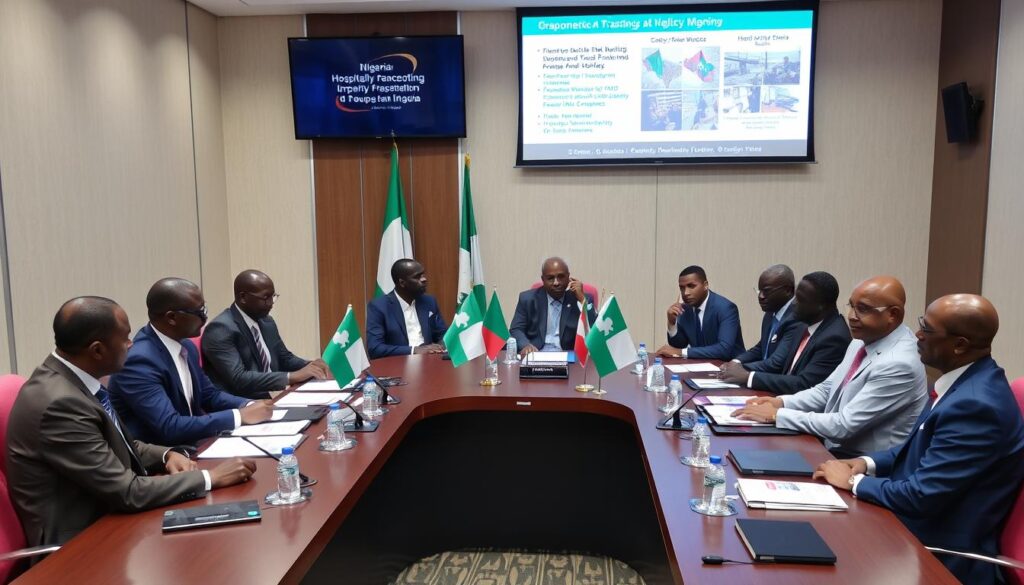
For AI to reach its full potential in Nigeria’s hospitality sector, coordinated action from government, industry associations, and individual businesses is essential. The following policy recommendations aim to create an enabling environment for responsible AI adoption while addressing key challenges.
Government-Level Recommendations
Develop a National Hospitality-Tech Policy
The Nigerian government, through relevant ministries, should develop a comprehensive regulatory framework specifically addressing AI in the hospitality sector. This should cover data protection, guest privacy, algorithmic transparency, and ethical AI use.
Support Infrastructure Development
Prioritise improvements to power reliability, broadband internet access, and ICT readiness, especially in secondary cities and tourist destinations, to enable AI adoption beyond major urban centres.
Provide Financial Incentives
Establish grants, tax breaks, or low-interest loans for technology upgrades in the hospitality sector, with special provisions for small and medium-sized establishments to prevent deepening the digital divide.
Encourage Training & Capacity Building
Partner with educational institutions and vocational centres to develop specialised training programs on digital tools, AI systems, and technical maintenance for hospitality workers.
Promote Data Privacy Awareness
Launch public awareness campaigns about guest rights, data privacy, and informed consent, while requiring hotels to maintain clear privacy policies for AI systems.
Support Local Innovation
Encourage Nigerian tech startups to develop AI solutions tailored for the local hospitality context, such as chatbots in regional languages, low-bandwidth systems, and mobile payment integration.
Industry-Level Recommendations
Develop Industry Standards
Hospitality associations should establish voluntary standards and best practices for AI implementation, including ethical guidelines, data handling protocols, and performance metrics.
Create Knowledge-Sharing Platforms
Establish forums for sharing experiences, case studies, and lessons learned from AI implementations across different properties and regions in Nigeria.
Facilitate Collaborative Procurement
Develop industry consortia that allow smaller properties to jointly invest in AI solutions, reducing individual costs while sharing benefits.
Business-Level Recommendations
Individual hospitality businesses should consider the following approaches to maximise AI benefits while managing risks:
- Conduct thorough needs assessments to identify the most valuable AI applications for your specific operation
- Develop clear data governance policies that protect guest privacy while enabling AI-driven personalisation
- Invest in staff training and change management to ensure successful technology adoption
- Start with high-ROI applications that address critical business challenges
- Measure and communicate results to build internal support for continued AI investment
- Collaborate with local technology providers to develop solutions tailored to the Nigerian context
Conclusion
The Path Forward for AI in Nigeria’s Hospitality Sector
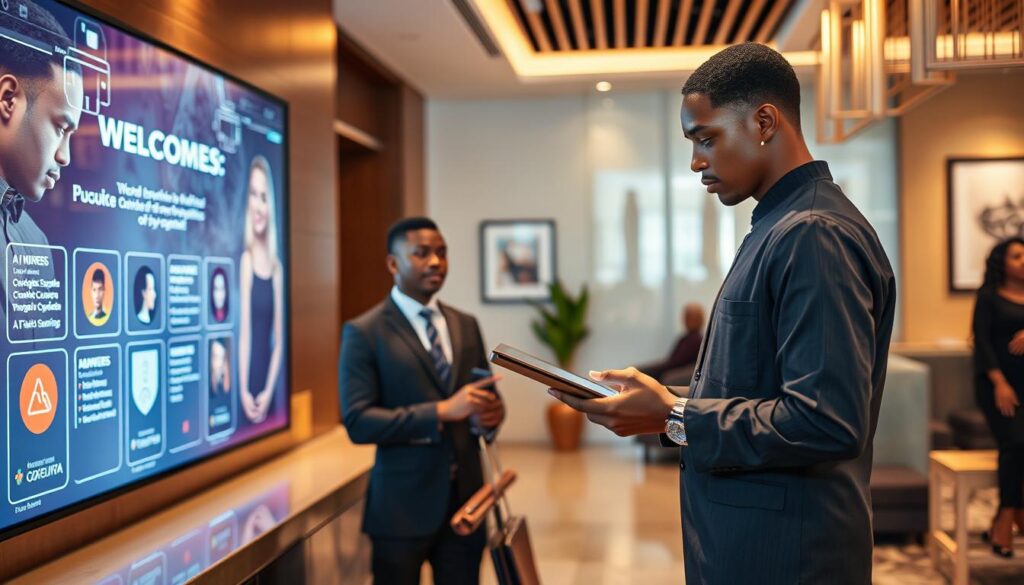
AI has tremendous potential to transform Nigeria’s hospitality sector, addressing persistent challenges while enhancing guest experiences and operational efficiency. As the industry continues its growth trajectory toward US$2.61 billion by 2029, AI adoption represents a critical competitive advantage for forward-thinking businesses.
The six key AI applications explored in this article—chatbots and virtual assistants, dynamic pricing, predictive maintenance, personalised experiences, contactless technology, and feedback analysis—offer practical solutions to many of the structural challenges facing Nigerian hospitality businesses. From reducing operational costs and optimising revenue to improving service quality and guest satisfaction, these technologies can help the sector scale sustainably while maintaining competitiveness in the global market.
However, successful AI implementation requires careful planning, appropriate infrastructure, and a balanced approach that considers the unique characteristics of the Nigerian context. By addressing challenges such as infrastructure limitations, high upfront costs, and technical capacity gaps, hospitality businesses can maximise the benefits of AI while minimising risks.
“The future of Nigeria’s hospitality sector lies in finding the perfect balance between technological innovation and the warmth of traditional Nigerian hospitality. AI should enhance, not replace, the human touch that makes our hospitality unique.”
For Nigeria’s hospitality sector to fully realise the benefits of AI, collaboration between government, industry associations, and individual businesses is essential. By developing supportive policies, investing in infrastructure and training, and sharing knowledge and resources, stakeholders can create an environment where AI becomes a catalyst for growth, efficiency, and enhanced guest experiences.
The journey toward AI-enhanced hospitality in Nigeria is just beginning. Still, the potential rewards for businesses, employees, guests, and the broader economy make it a path worth pursuing with both enthusiasm and careful consideration.

Senior Reporter/Editor
Bio: Ugochukwu is a freelance journalist and Editor at AIbase.ng, with a strong professional focus on investigative reporting. He holds a degree in Mass Communication and brings extensive experience in news gathering, reporting, and editorial writing. With over a decade of active engagement across diverse news outlets, he contributes in-depth analytical, practical, and expository articles exploring artificial intelligence and its real-world impact. His seasoned newsroom experience and well-established information networks provide AIbase.ng with credible, timely, and high-quality coverage of emerging AI developments.