
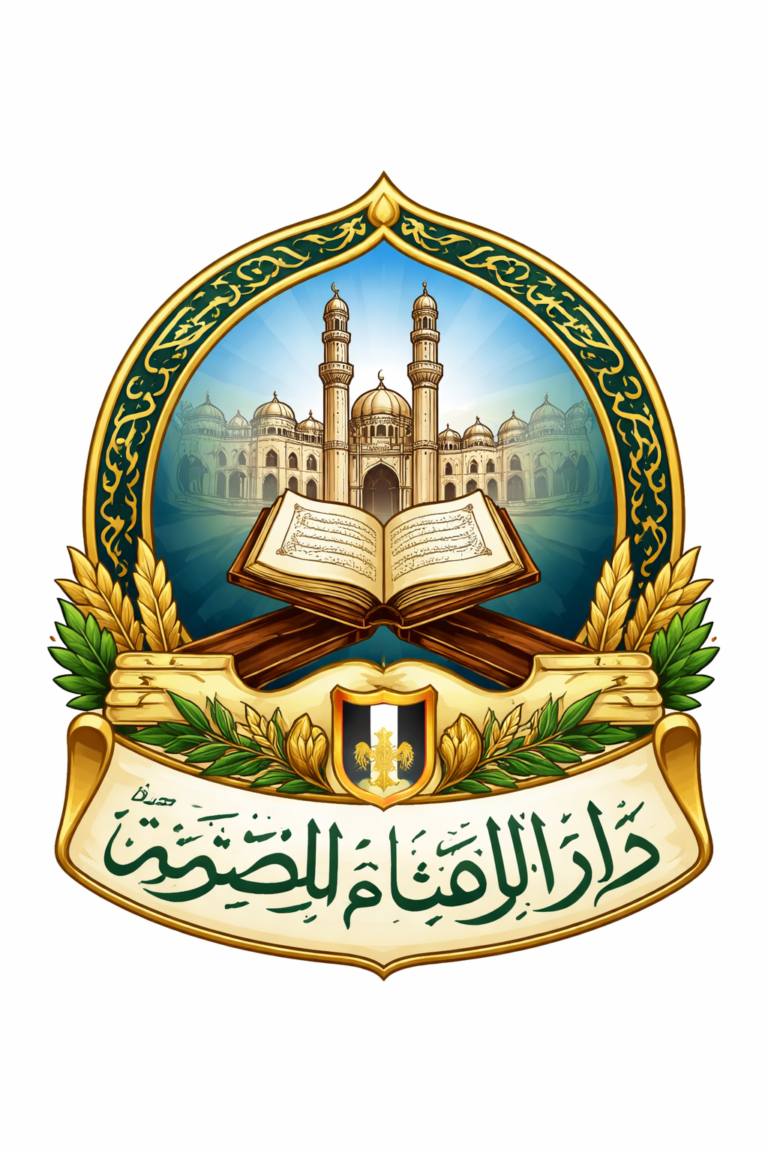
In a world where a smartphone can now answer questions once reserved for clerics and classrooms, Egypt has hit the brakes. A recent ruling by Dar al-Ifta, the country’s top Islamic advisory body, banning the use of artificial intelligence tools like ChatGPT for interpreting the Quran has reignited a global debate about faith, authority and technology. For Nigeria-Africa’s most populous nation, deeply religious and fiercely multilingual-the decision raises a pressing question: how much of our faith can we safely outsource to machines?
Dar al-Ifta, one of the most influential Islamic authorities in the Muslim world, announced a ban on the use of artificial intelligence tools such as ChatGPT for interpreting the Quran, the decision sent ripples far beyond Cairo. From North Africa to West Africa, the ruling reopened an uncomfortable but unavoidable debate: can machines mediate faith in an age of algorithms?
For Nigeria-a country of more than 250 languages, deep religious devotion, and fast-growing digital adoption-the question is not academic. It is immediate, practical, and potentially divisive.
Drawing a Red Line
Dar al-Ifta’s ruling is clear in its intent. While acknowledging the usefulness of modern technology, the institution warned that AI systems lack the scholarly grounding required for tafsir-the interpretation of the Quran. According to the Egyptian authority, such interpretation demands mastery of classical Arabic, jurisprudence (fiqh), historical context, and centuries of established scholarly judgments of which no algorithm can authentically replicate.
The concern is not merely technical. It is theological. The fear is that AI, trained on vast but uneven data, may generate explanations that are plausible yet inaccurate, confident yet misleading.
Why Nigeria Is Paying Attention
Nigeria sits at a complex intersection of religion, language, and technology. Islam and Christianity dominate public life, while traditional beliefs remain influential. Religious teachings now circulate less through physical spaces alone and more through smartphones-WhatsApp groups, YouTube sermons, TikTok clips, Telegram channels, and increasingly, AI chatbots.
In northern Nigeria especially, young Muslims are already turning to AI tools to translate Quranic verses into Hausa or English, ask sensitive religious questions anonymously, or seek quick explanations where access to scholars is limited.
Egypt’s ruling therefore lands on familiar ground. It raises a pressing question for Nigerian society: where does digital convenience end and religious authority begin?
The Language Factor
Language complicates the issue further. Most Islamic texts are preserved in Arabic, while millions of Nigerian Muslims engage with religion in Hausa, Yoruba, Fulfulde, Kanuri, or English. Translation is not just linguistic-it is interpretive.
AI systems may render words accurately while missing cultural nuance, theological depth, or jurisprudential boundaries. In a multilingual nation like Nigeria, a subtle mistranslation can reshape meaning-and spread rapidly.
Religious scholars worry that AI-generated explanations, stripped of context, could flatten complex teachings into simplified answers ill-suited to Nigeria’s diverse social realities.
Faith in the Age of Digital Authority
Beyond theology lies a deeper anxiety: who holds authority?
Traditionally, religious authority in Nigeria has rested with trained scholars, councils, and institutions. AI challenges that structure by offering instant answers without credentials, lineage, or accountability. For many young people, especially in urban centres, digital tools now feel as trustworthy as traditional clerics-sometimes more so.
Egypt’s ruling reflects a broader institutional pushback against this shift, insisting that technology may assist learning but must not replace scholarship.
What This Could Mean for Nigeria
Nigeria has not issued a similar ruling, but the implications are already being debated in mosques, universities, and online forums.
Experts suggest a middle ground is likely:
- AI as a support tool, not a religious authority
- Use for translation, reference, and research
- Clear discouragement of AI-generated interpretations or fatwas
Such an approach would acknowledge Nigeria’s access challenges while preserving the integrity of religious knowledge.
Not a Ban on Technology
Importantly, Egypt’s stance is not an attack on AI itself. It does not outlaw technology, nor does it discourage digital learning. Rather, it draws a boundary between assistance and authority, between information and interpretation.
For Nigeria, where technology often fills gaps left by underfunded institutions, the challenge is to ensure that convenience does not quietly become doctrine.
A Question That Won’t Go Away
As artificial intelligence becomes more embedded in daily life, Nigerian society-like many others-will have to decide how far machines are allowed to go in shaping belief, morality, and meaning.
Egypt has chosen caution. Nigeria, with its linguistic diversity and religious plurality, may need a more carefully negotiated path-one that blends digital literacy, theological depth, and institutional guidance.
The stake is not just how Nigerians use AI, but who defines truth, interpretation, and authority in the digital age.

Senior Reporter/Editor
Bio: Ugochukwu is a freelance journalist and Editor at AIbase.ng, with a strong professional focus on investigative reporting. He holds a degree in Mass Communication and brings extensive experience in news gathering, reporting, and editorial writing. With over a decade of active engagement across diverse news sources, he contributes in-depth analytical, practical, and expository articles that explore artificial intelligence and its real-world impact. His seasoned newsroom experience and well-established information networks provide AIbase.ng with credible, timely, and high-quality coverage of emerging AI developments.