

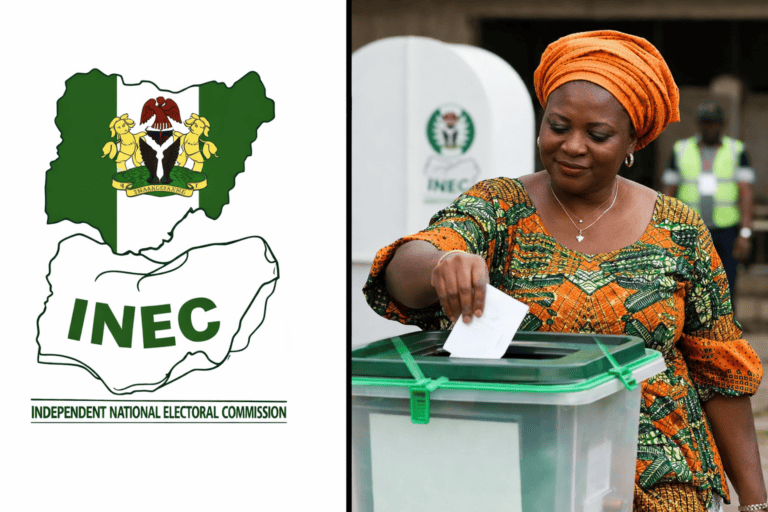
Elections in Nigeria have long been moments of national tension and aspiration. From the turbulent transitions of the late twentieth century to the consolidation of civilian rule since 1999, the credibility of the ballot has remained central to public trust.
Every electoral cycle raises familiar concerns: voter intimidation, logistical failures, misinformation, vote-buying and disputes over results. Institutions such as the Independent National Electoral Commission (INEC), civil society organisations, and the courts have worked to strengthen electoral processes, yet confidence in electoral outcomes remains variable across regions and political divides.
Now, a new variable has entered the equation: artificial intelligence. AI is no longer a distant technological curiosity. It is embedded in search engines, banking apps, content moderation systems and social media feeds used daily by millions of Nigerians. AI refers broadly to computer systems capable of performing tasks that would normally require human intelligence, including learning, pattern recognition and decision-making.
The convergence of AI and electoral politics is therefore not theoretical. It is happening in real time. From algorithmically amplified misinformation to AI-powered tools for fraud detection, technology is reshaping the way elections are organised, monitored and contested.
For Nigerian voters, journalists, academics and policymakers, the question is no longer whether AI will influence elections, but how it should be governed.
This article examines AI and election integrity in Nigeria through a balanced, evidence-based lens. It defines key concepts, explains how AI operates within electoral contexts, compares global developments with Nigeria’s realities, and explores what reforms may be necessary to protect democratic credibility in the years ahead.
Understanding Election Integrity in the Nigerian Context
What Is Election Integrity?
Election integrity refers to the adherence of electoral processes to democratic principles such as transparency, fairness, accountability and inclusiveness. It encompasses the entire electoral cycle: voter registration, campaign conduct, media coverage, voting procedures, ballot counting, and dispute resolution.
In Nigeria, election integrity is shaped by constitutional provisions, the Electoral Act, INEC guidelines and judicial oversight. However, integrity is not solely a legal matter. It also depends on public perception. If citizens believe an election has been manipulated, even in the absence of proven illegality, legitimacy can erode.
Nigeria’s Electoral Landscape
Nigeria’s elections are complex for structural reasons. The country has over 90 million registered voters, diverse linguistic and ethnic communities, uneven digital connectivity and persistent security challenges. Logistics alone pose significant hurdles.
In recent election cycles, INEC has introduced technological innovations, including biometric voter accreditation systems and electronic transmission of results. These steps have been designed to reduce human manipulation and enhance transparency. Yet technology itself introduces new vulnerabilities. Digital systems can be misused, misunderstood or targeted by cyberattacks.
What Is Artificial Intelligence and How Does It Intersect with Elections?
Defining AI and Generative AI
Artificial intelligence encompasses a range of technologies, including machine learning, natural language processing and computer vision. Machine learning systems analyse large datasets to identify patterns and make predictions.
Natural language processing enables systems to understand and generate human language. Computer vision allows software to interpret images and videos. A more recent development is generative AI, which can produce text, images, audio and video that appear convincingly human. These tools can draft speeches, generate campaign graphics, simulate voices or create entirely fabricated video footage.
How AI Enters the Electoral Sphere
AI intersects with elections in several ways:
First, through political communication. Campaign teams may use AI tools to craft targeted messages for specific demographics, drawing on data analytics to refine outreach strategies.
Second, through social media algorithms. Platforms rely on AI to recommend content to users. This can amplify certain narratives, including false or misleading ones.
Third, through administrative processes. AI systems can be used to detect irregularities in voter registration databases, flag suspicious financial transactions linked to campaigns, or analyse patterns in reported results.
Fourth, through malicious deployment. AI can be used to create deepfakes, to automate disinformation campaigns, or to conduct sophisticated cyberattacks.
The technology itself is neutral. Its impact depends on how it is designed, regulated and deployed.
The Threat of AI-Driven Disinformation and Deepfakes
Deepfakes and Digital Impersonation
One of the most widely discussed risks is the rise of deepfakes. These are AI-generated audio or video files that convincingly depict individuals saying or doing things they never did. In a politically charged environment, a fabricated video of a candidate making inflammatory remarks could spread rapidly before being debunked.
The implications for elections are profound. Even a short-lived falsehood can shape perceptions during a critical campaign window.
In Nigeria, where political tensions can align with ethnic or religious identities, manipulated content could inflame divisions. The speed of dissemination via messaging apps compounds the problem. Fact-checking often lags behind virality.
Algorithmic Amplification
AI does not merely create content; it also curates it. Social media algorithms prioritise posts likely to generate engagement. Controversial or emotionally charged content often performs better, regardless of accuracy.
This dynamic can distort public discourse. False narratives may trend more easily than nuanced analysis. During elections, such distortions can influence voter perceptions, particularly among undecided or first-time voters.
Automated Bots and Coordinated Campaigns
AI tools can automate the creation and distribution of messages at scale. Bot networks can simulate grassroots support or opposition, giving the illusion of widespread consensus. Coordinated inauthentic behaviour undermines authentic democratic debate.
Nigeria has already faced challenges with misinformation in previous elections. The addition of more advanced AI tools increases the sophistication of potential interference.
AI as a Tool for Strengthening Election Integrity
While much attention focuses on risks, AI also offers meaningful opportunities to enhance electoral transparency and accountability.
Fraud Detection and Pattern Analysis
AI systems excel at detecting anomalies in large datasets. Applied responsibly, they can identify irregular voting patterns, duplicate registrations or suspicious financial flows.
In the electoral context, machine learning models could analyse historical data to flag unusual turnout spikes or discrepancies between polling units and aggregated results.
Such systems would not replace human oversight but could provide early warning signals for investigators.
Cybersecurity and Infrastructure Protection
As election management becomes more digitised, cybersecurity grows more critical. AI-powered monitoring systems can detect unusual network activity, potentially preventing attacks on electoral databases. Protecting election infrastructure requires anticipating both traditional hacking and AI-driven threats.
Monitoring Hate Speech and Incitement
AI can assist in monitoring online spaces for hate speech or incitement to violence. Natural language processing systems can analyse large volumes of posts across languages. However, Nigeria’s linguistic diversity presents challenges. Training AI systems on local languages and dialects is essential.
If carefully implemented, AI-assisted monitoring could help regulators and civil society respond more quickly to dangerous rhetoric during campaigns.
Global Perspectives and Lessons for Nigeria
Countries worldwide are grappling with similar concerns. In the European Union, policymakers are developing regulatory frameworks to classify and manage high-risk AI systems. In the United States, debates centre on platform accountability and transparency in political advertising.
African states are also engaging with AI governance. Regional coordination efforts, such as discussions around harmonised frameworks, highlight the importance of cross-border collaboration in an interconnected digital environment.
Nigeria’s position within the continental AI conversation is evolving. Initiatives on AI governance and ethical standards reflect growing recognition of the technology’s societal impact.
Nigeria must adapt global lessons to local realities. Blanket bans on technology are unlikely to succeed. Instead, proportionate regulation, institutional capacity-building and public awareness are more practical approaches.
Regulatory and Institutional Frameworks in Nigeria
Existing Legal Structures
Nigeria’s Electoral Act provides the legal foundation for electoral conduct, while the Nigerian Data Protection Act addresses data privacy concerns. Cybercrime legislation targets online offences.
However, AI-specific regulation remains a developing area. Discussions of national AI strategies and potential legislation suggest increased governmental engagement.
The Role of INEC and Other Institutions
INEC bears primary responsibility for electoral administration. To address AI-related risks, it may require:
Technical expertise to evaluate AI tools used internally or by external actors
Partnerships with cybersecurity agencies
Clear guidelines on digital campaigning and online conduct
Collaboration with civil society, media organisations and technology companies will also be crucial. Journalists, in particular, must be equipped to identify manipulated content swiftly.
Implications for Nigeria’s Democracy and Society
Public Trust and Political Stability
The credibility of elections underpins political stability. If AI-driven misinformation undermines trust in results, disputes may intensify. Conversely, if AI tools enhance transparency and reduce fraud, confidence could strengthen.
Nigeria’s democratic resilience depends not only on technological safeguards but also on civic culture. Citizens must be able to critically evaluate digital content.
Education and Digital Literacy
Strengthening digital literacy is central to mitigating AI risks. Educational initiatives at secondary and tertiary levels can equip students to recognise deepfakes and misinformation. Embedding media literacy within curricula would complement technical AI training.
Economic and Governance Dimensions
AI adoption extends beyond elections. The technology is permeating finance, healthcare and public administration. Governance structures must therefore address AI holistically, rather than isolating electoral concerns.
At the same time, resource constraints remain significant. Infrastructure gaps, uneven internet access and funding limitations complicate the implementation of advanced monitoring systems.
Challenges Unique to the Nigerian Context
Several constraints shape Nigeria’s approach to AI and election integrity.
First, infrastructural disparities. Rural communities often face limited connectivity, affecting both the spread of misinformation and the reach of digital countermeasures.
Second, linguistic diversity. Effective AI monitoring tools must function across major languages and dialects.
Third, institutional capacity. Developing and maintaining robust AI systems requires skilled personnel. Reports highlighting AI skill shortages suggest the need for sustained investment in training.
Fourth, trust deficits. Public scepticism towards institutions can amplify the impact of digital rumours.
Addressing these challenges requires coordinated effort across government, academia and the private sector.
What Needs to Change for Meaningful Progress
Progress will not come from technology alone. Several shifts are necessary.
There must be clearer guidelines for political actors on AI-generated content, including appropriate disclosure requirements.
Investment in local datasets and language models can improve the accuracy of monitoring systems.
Capacity-building within INEC and allied institutions is essential. Partnerships with universities and research centres could strengthen technical expertise.
Public awareness campaigns should focus on critical consumption of digital information, particularly during election periods.
Finally, regional collaboration within West Africa could support shared standards and joint responses to cross-border disinformation.
Conclusion: Guarding the Ballot in an Intelligent Age
Artificial intelligence is neither a saviour nor a saboteur of democracy. It is a set of tools whose consequences depend on governance, ethics and public understanding.
For Nigeria, the stakes are high. Elections are more than procedural exercises; they are expressions of collective will in a diverse and dynamic nation. AI introduces new vulnerabilities, from deepfakes to automated propaganda. Yet it also offers instruments to detect fraud, secure infrastructure, and analyse complex data.
The task before policymakers, institutions and citizens is not to resist technological change but to shape it responsibly. By investing in digital literacy, strengthening regulatory frameworks, and fostering cross-sector collaboration, Nigeria can navigate the intersection of AI and election integrity prudently.
Democracy has always evolved alongside technology, from the printing press to radio and television. AI represents the latest chapter in that history. Whether it deepens trust or erodes it will depend on choices made now, well before the next ballot is cast.

Bio: An (HND, BA, MBA, MSc) is a tech-savvy digital marketing professional, writing on artificial intelligence, digital tools, and emerging technologies. He holds an HND in Marketing, is a Chartered Marketer, earned an MBA in Marketing Management from LAUTECH, a BA in Marketing Management and Web Technologies from York St John University, and an MSc in Social Business and Marketing Management from the University of Salford, Manchester.
He has professional experience across sales, hospitality, healthcare, digital marketing, and business development, and has worked with Sheraton Hotels, A24 Group, and Kendal Nutricare. A skilled editor and web designer, He focuses on simplifying complex technologies and highlighting AI-driven opportunities for businesses and professionals.
LinkedIn